
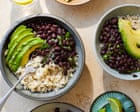
It’s hard to imagine a more unassuming staple than the bean. Yet, this everyday legume is currently enjoying a remarkable resurgence, transitioning from a humble culinary sidekick to a bona fide wellness superstar across Australia and beyond.
Fueled by a new generation of home cooks and an undeniable social media buzz, the bean is shedding its old-fashioned image and claiming its rightful place as a nutritious and surprisingly versatile ingredient.
TikTok's Latest Culinary Obsession
For months, TikTok’s vibrant cooking community has been tirelessly championing the virtues of soaking and simmering pots of cannellini, borlotti, and black beans. Under the ubiquitous hashtag #beantok, a staggering 13,000-plus videos showcase innovative bean-centric recipes, alongside enthusiastic testimonials. Users claim these legumes have alleviated everything from anxiety and perimenopause symptoms to inflammation. This newfound digital fanfare, coupled with the rising trend of “fibremaxxing” – a deliberate effort to increase dietary fibre intake – has firmly cemented the bean’s status as a wellness “main character,” a far cry from its former position as a forgotten back-of-the-pantry resident.
A Global Culinary Heritage
However, for seasoned chefs and culinary historians, this bean-centric awakening is hardly revolutionary. Long before the advent of social media, diverse food cultures worldwide were already skilfully incorporating beans into their daily diets, stewing and simmering them to delicious effect. Guardian Australia Lifestyle reported that beans, originating in the Americas, had made their way to Europe by the 16th century. Their adoption into Mediterranean cooking was so swift and profound that it’s now almost impossible to conceive of these cuisines without them. Food writer Emiko Davies notes that Tuscans are famously known as “mangiafagioli,” or “bean eaters,” highlighting the legume’s historical role as a primary source of nutrition for a largely peasant population. This rich culinary history underscores the bean’s enduring appeal and nutritional power, offering a potent reminder that sometimes, the oldest ingredients are indeed the best.
Australian Kitchens Embrace the Legume
The burgeoning interest in beans isn't just a digital phenomenon; it's translating directly to Australian kitchen counters. Supermarket shelves are seeing increased demand for a wider array of dried and tinned varieties, as home cooks experiment beyond the traditional baked bean. From hearty borlotti bean stews to fragrant cannellini bean salads and robust black bean burgers, Australians are discovering the sheer breadth of flavour and texture these legumes offer. The economic appeal is also undeniable; a 500g bag of dried beans can cost as little as $3-5, providing a cost-effective and protein-rich meal for families navigating rising grocery bills. This affordability, combined with their renowned health benefits, makes them an increasingly attractive option for budget-conscious and health-aware consumers alike.
Beyond the 'Musical Fruit': Taming the Side Effects
For many, the primary deterrent to embracing beans has been their notorious ability to cause digestive discomfort. However, modern culinary wisdom offers solutions. Soaking dried beans overnight and discarding the water, along with thorough cooking, can significantly reduce the oligo-saccharides responsible for gas. Incorporating beneficial spices and herbs like cumin, ginger, and turmeric into bean dishes can also aid digestion. The key, experts suggest, is a gradual introduction into the diet, allowing the body to adjust. With these simple techniques, it's entirely possible to enjoy the impressive nutritional profile of beans – high in fibre, protein, and essential minerals – without the unwelcome side effects, ensuring that this humble superfood can be enjoyed by everyone.