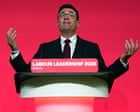
Andy Burnham, the former Mayor of Greater Manchester, has officially been named the United Kingdom's new Prime Minister, a historic moment confirmed after his traditional 'kissing hands' ceremony with King Charles III at Buckingham Palace. This significant development, widely reported by news outlets including ABC News Australia, sees Burnham take the reins of power, tasked with forming a new government and charting the future course for a nation facing a myriad of domestic and international pressures.
The ascension of Burnham, a prominent figure in the Labour Party, represents a notable shift in British politics. His journey from regional leadership to the highest office underscores a dynamic electoral landscape and a public appetite for change. The ceremony, a quaint but deeply symbolic tradition, formalised the monarch's invitation for Burnham to become the First Lord of the Treasury, paving the way for his immediate move into the iconic 10 Downing Street.
A New Era for British Governance
Burnham's appointment comes at a critical juncture for the UK. The incoming Prime Minister inherits a challenging brief, including persistent inflationary pressures, a strained public health system, and ongoing debates surrounding the nation's post-Brexit identity. Experts suggest that his background in municipal leadership and his populist appeal could shape a distinctive approach to these complex issues, potentially focusing on regional empowerment and social justice initiatives that resonated strongly with voters during the recent general election campaign.
His immediate priorities are expected to revolve around stabilising the economy and addressing the cost of living crisis, which has significantly impacted households across the UK. With average rents in London alone now exceeding £2,000 (roughly A$3,800) per month, and energy bills remaining a persistent concern, the new Prime Minister faces immense pressure to deliver tangible improvements for ordinary Britons.
The Path to Power: A Political Veteran's Ascent
Burnham's political career spans decades, beginning as a Member of Parliament for Leigh in 2001, and rising through various ministerial roles in previous Labour governments. His stint as Mayor of Greater Manchester, however, is widely credited with cementing his national profile and demonstrating his executive capabilities. During his mayoral tenure, he gained recognition for his strong advocacy for northern England, often clashing with central government over funding and regional inequalities. This experience is anticipated to inform his leadership style and policy agenda, potentially leading to a more decentralised approach to governance.
His victory marks a culmination of a long-held ambition and reflects a broader shift in voter sentiment. Political analysts note that his campaign successfully tapped into a desire for integrity and authenticity in leadership, contrasting with the perceived instability of previous administrations. The public will now be keenly watching how he translates his regional successes into national policy.
Unpacking the 'Kissing Hands' Tradition
The 'kissing hands' ceremony, while rooted in centuries of tradition, is primarily a symbolic act. It signifies the monarch's formal approval of the incoming Prime Minister, who has demonstrated sufficient support in the House of Commons to form a government. In reality, the decision is dictated by electoral outcomes, with the monarch acting on the advice of the outgoing Prime Minister regarding who can command the confidence of Parliament. Historically, the act involved a literal kiss of the monarch's hand, signifying allegiance and acceptance of royal authority. Today, it is typically a more subdued affair, often involving a handshake and a brief, private audience, but its constitutional significance remains undiminished. Following the meeting, Burnham is expected to announce his key cabinet appointments in the coming hours, setting the stage for his administration's first major policy announcements in the days ahead.