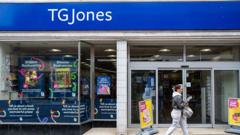
Australia's regional main streets, once bustling hubs of commerce and community, are increasingly dotted with 'for lease' signs, a stark emblem of shifting retail landscapes. But as these traditional businesses vanish, a bold new vision is emerging from Canberra: could these empty shopfronts be repurposed to tackle the nation's crippling housing shortage?
The federal government is actively exploring the viability of converting redundant commercial properties into residential dwellings, a move that could simultaneously revitalise stagnant town centres and provide innovative housing solutions. The initiative, first reported by ABC News Business, comes as regional communities grapple with both declining retail vibrancy and acute accommodation pressures.
The Retail Exodus and Housing Squeeze Converge
For decades, the local butcher, baker, and candlestick maker formed the bedrock of regional economies. However, the rise of online shopping, coupled with cost-of-living pressures and changing consumer habits, has decimated many traditional main street businesses. This exodus has left behind a growing inventory of vacant commercial space, often centrally located and connected to existing infrastructure.
Simultaneously, regional Australia is experiencing an unprecedented housing crunch. Driven by internal migration during the pandemic, a shortage of affordable rental properties, and limited new housing stock, many regional towns face soaring rents and a dire lack of available homes. This confluence of challenges has created an unlikely opportunity, prompting policymakers to consider whether one problem could, in fact, help solve the other.
Navigating the Conversion Challenge
The concept, while appealing, is not without its complexities. Transforming commercial buildings into residential units presents a unique set of planning, regulatory, and construction hurdles. Many older commercial properties lack adequate natural light, ventilation, and soundproofing necessary for comfortable living spaces. Furthermore, zoning laws often strictly delineate commercial and residential uses, requiring significant amendments or special provisions.
Local councils would play a pivotal role in facilitating such conversions, needing to adapt planning schemes and potentially offer incentives for developers. The cost of retrofitting these spaces – including plumbing, electrical upgrades, and structural alterations – could also be substantial. However, proponents argue that strategically converting underutilised assets could be more cost-effective and faster than building entirely new developments on greenfield sites, particularly in areas with existing infrastructure.
Economic and Social Dividends
Should the government's exploration bear fruit, the dividends could extend beyond simply increasing housing supply. Repopulating main streets with residents could inject new life into struggling commercial precincts, fostering a more vibrant 24/7 economy. Increased foot traffic in evenings and weekends could support remaining businesses, from cafes to entertainment venues, creating a ripple effect of economic regeneration.
Moreover, locating residents within walking distance of amenities and public transport aligns with principles of sustainable urban development, reducing reliance on private vehicles. For families, the prospect of living above a former shop could offer unique lifestyle benefits, integrating living and working spaces potentially more effectively than traditional suburban models. It could also provide diverse housing options, from compact studios above storefronts to larger apartments in former department stores or office blocks.
As the federal government continues to weigh the feasibility of this ambitious proposal, the vision of a rejuvenated regional Australia, where empty shops become thriving homes, offers a glimmer of hope in the face of persistent economic and housing challenges. The coming months will determine whether this innovative approach can transition from a compelling idea into a tangible solution for communities nationwide.