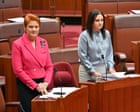
The Albanese government is set to introduce its long-anticipated gambling reforms to the Lower House today, but the contentious package faces an uphill battle to secure passage through a fractious Senate, where crossbench support appears elusive.
Despite mounting calls from health advocates and community groups for tighter regulations on an industry known for its significant social harms, the reforms are struggling to find a consensus among the disparate political factions required to pass legislation in the upper chamber. This impasse comes at a time when the government is also grappling with defining its vision for the nation, exemplified by a curious new framing of the AUKUS security pact.
Reforms Face Widespread Scrutiny
The proposed gambling reforms, which are understood to target areas such as online wagering advertisements and betting inducements, have been a subject of intense debate for months. While the government has signalled its intention to act on the recommendations of various inquiries, including those highlighting the devastating impact of problem gambling on individuals and families, the specific details of the bill are expected to face rigorous scrutiny.
Industry bodies are reportedly lobbying hard against measures they argue would stifle competition and impact revenue, while some crossbench senators have indicated that the reforms, in their current form, may not go far enough to address the pervasive issue of gambling addiction. Crikey reported that the reforms appear to be a "long way off finding a path through the Senate," underscoring the significant political challenge ahead for the government.
The Greens, often a key bloc for passing progressive legislation, have previously called for even tougher measures, including a complete ban on gambling advertisements during live sports broadcasts. Conversely, some independent senators may express concerns about potential overreach or unintended consequences of the proposed laws.
AUKUS and the Shifting National Narrative
Compounding the governmental agenda, the AUKUS security pact has emerged as a surprisingly interwoven element in broader discussions about Australia’s future direction. While ostensibly a defence agreement for nuclear-powered submarines, the pact is now being framed by some within government circles as part of "progressive patriotism". This novel interpretation seeks to reconcile the perceived tension between a defence alliance with Western powers and traditional progressive values often associated with pacifism and multilateralism.
This reframing suggests an attempt to build a broader national consensus around what it means to be Australian in a complex geopolitical landscape, tying national security to a sense of national pride and purpose. The messaging around "progressive patriotism" hints at a desire to unite different ideological strands under a common banner, though whether this will resonate with the public, or indeed with sceptical senators, remains to be seen.
Pressure Mounts from Advocacy Groups
Community and health advocacy groups across Australia have been vocal in their support for comprehensive gambling reform. Organisations like the Alliance for Gambling Reform have long campaigned for stricter regulations, citing the billions of dollars lost by Australians each year – often from vulnerable communities. They point to the overwhelming evidence of gambling-related harm, including financial distress, mental health issues, and breakdown of relationships.
The urgency for action is palpable, with many advocating for reforms that go beyond merely tweaking existing regulations. However, the political reality of the Senate means that any legislation requires careful negotiation and compromise. The government will need to navigate a narrow path, balancing the demands of public health advocates with the concerns of industry and the divergent views of the crossbench, all while trying to project a unified national vision.
The fate of the gambling reforms, much like the broader narrative surrounding AUKUS and Australia's place in the world, will likely hinge on the government's ability to forge unlikely alliances and articulate a compelling vision that transcends traditional political divides.