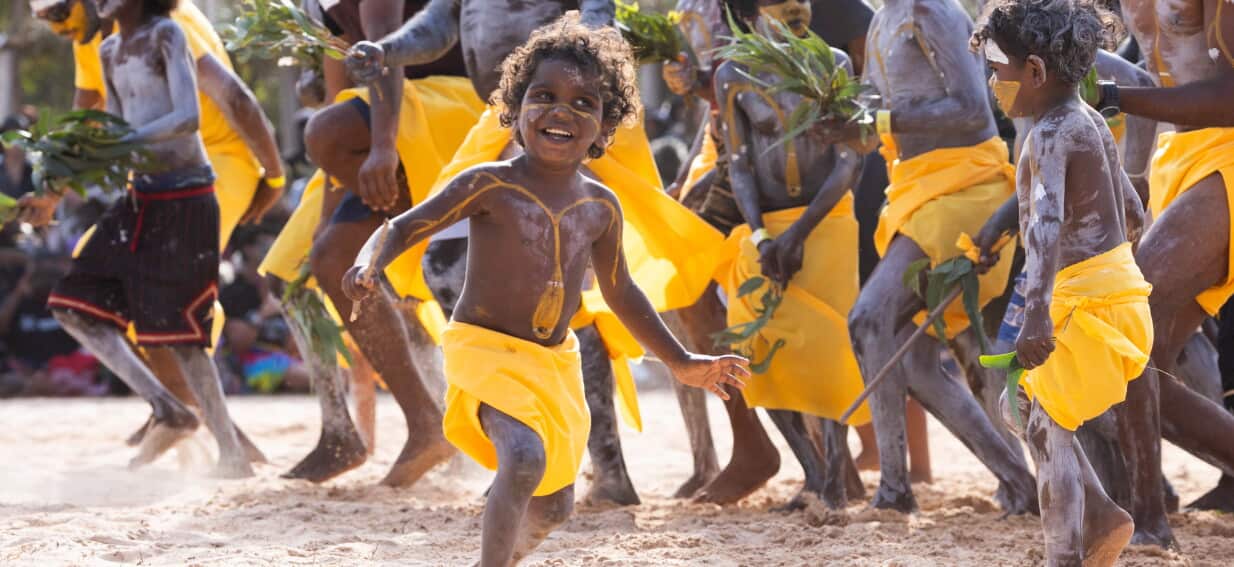
The remote expanse of northeast Arnhem Land is once again preparing to host the Garma Festival, Australia's largest and most significant annual Indigenous cultural gathering. As reported by SBS News Top Stories, the revered event is poised to open its gates this weekend, drawing thousands to Yolŋu Country for a rich tapestry of cultural exchange, political discussion, and artistic expression, with the 2026 iteration keenly anticipated.
More than a mere festival, Garma is a profound cultural immersion orchestrated by the Yothu Yindi Foundation. It serves as a vital national platform where First Nations people, policymakers, business leaders, academics, and the wider Australian community converge. The four-day program, primarily held at the Gulkula site, is meticulously crafted to foster understanding, reconciliation, and progress on issues central to Aboriginal and Torres Strait Islander aspirations.
A Deep Dive into Yolŋu Culture
At its heart, Garma is an unparalleled opportunity to experience the richness and diversity of Yolŋu culture directly from its custodians. Attendees can anticipate traditional dances (Bunggul), storytelling sessions, spear-making demonstrations, and immersive art workshops. These activities are not only entertaining but also serve as crucial educational tools, allowing non-Indigenous Australians to gain a deeper appreciation for the oldest continuous culture in the world. The festival's location on ancestral lands imbues every interaction with profound significance, offering an authentic glimpse into the spiritual and social fabric of the Yolŋu people.
The emphasis on cultural sharing extends to the Garma Key Forum, a cornerstone of the festival. This forum brings together prominent Indigenous and non-Indigenous leaders for robust discussions on critical national issues, ranging from Indigenous affairs policy and economic development to health, education, and environmental protection. Past forums have been instrumental in shaping national conversations and driving policy initiatives, making this year's agenda particularly keenly awaited given the evolving political landscape.
Economic Empowerment and Sustainable Futures
Beyond cultural celebration, Garma plays a substantial role in fostering economic development within Indigenous communities. The festival generates significant tourism revenue for the region and provides employment opportunities for many local Yolŋu people. Furthermore, the Gulkula site itself is an embodiment of Indigenous self-determination, managed entirely by the Yothu Yindi Foundation. The economic forum held during Garma also acts as a crucial conduit for connecting Indigenous businesses with mainstream Australian and international markets, driving investment and partnership opportunities that contribute to long-term economic empowerment.
Discussions often revolve around sustainable development models that respect traditional land management practices while embracing modern economic opportunities. The festival’s platform allows for innovative ideas to be presented and debated, aiming to create pathways for Indigenous communities to thrive economically on their own terms, leveraging their unique cultural assets and knowledge systems. This includes exploring ventures in ecotourism, art, and traditional bush foods, all while maintaining cultural integrity.
Shaping National Dialogue and Reconciliation
Historically, Garma has been a crucible for pivotal moments in Australia's reconciliation journey. It has been a forum where significant policy announcements have been made and where national conversations have been catalysed. The festival offers a unique space for direct dialogue between Indigenous leaders and top political figures, fostering a level of engagement rarely seen elsewhere. This direct interaction is vital for building understanding, trust, and ultimately, for advancing the cause of reconciliation and Closing the Gap.
With Australia increasingly focusing on its relationship with its First Peoples, events like Garma are more important than ever. They provide a powerful reminder of the enduring strength and resilience of Indigenous cultures and serve as a beacon for a more inclusive and equitable future. As the anticipation builds for the 2026 Garma Festival, all eyes will be on Yolŋu Country, where culture, conversation, and community will once again take centre stage, shaping the national narrative for years to come.