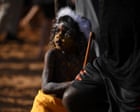
Northeast Arnhem Land is abuzz this week as the highly anticipated Garma Festival, Australia's premier annual celebration of Indigenous culture, commenced, drawing together First Nations leaders, policymakers, business luminaries, and artists for four days of dialogue and cultural exchange.
Held on the traditional lands of the Yolngu people, the festival is a powerful platform for addressing critical issues facing Aboriginal and Torres Strait Islander communities, fostering understanding, and showcasing the richness of ancient traditions.
A Confluence of Cultures and Conversations
Organised by the revered Yothu Yindi Foundation in collaboration with the local Yolngu community, Garma has evolved into a pivotal event on the national calendar. It serves as a unique forum where the ancient rhythms of Yolngu culture blend seamlessly with contemporary discussions on reconciliation, self-determination, and economic empowerment. Attendees from across the country and beyond gather to listen, learn, and contribute to a more inclusive Australia.
The festival's agenda typically features a rich tapestry of events, from traditional bunggul (dances) and cultural workshops to high-level policy discussions and art exhibitions. These diverse offerings ensure that both the profound cultural heritage of the Yolngu people and the pressing socio-political issues facing Indigenous Australians receive prominent attention.
Shaping the National Discourse
Garma's significance extends far beyond its ceremonial aspects. It has become a crucial incubator for national policy discussions, often setting the tone for future government initiatives and public discourse on Indigenous affairs. Past festivals have seen major announcements and significant advancements in areas such as land rights, health, and education.
According to The Guardian Australia, the gathering consistently attracts a who's who of Australian leadership, including Prime Ministers, opposition leaders, and senior ministers, underscoring its influence. This year is expected to be no different, with key figures engaging in robust debates and consultations that will undoubtedly shape the nation's path forward.
Economic Empowerment and Cultural Preservation
A core theme often explored at Garma is the intricate balance between economic development and the preservation of Indigenous culture and knowledge. The festival provides a vital space for business groups and Indigenous entrepreneurs to connect, explore partnerships, and discuss sustainable economic models that respect traditional land management practices and cultural protocols. This focus highlights the immense potential for Indigenous-led economic growth, valued at billions of Australian dollars, to benefit not only First Nations communities but the entire nation.
Art plays an integral role in this dialogue, with the Garma Art Fair showcasing breathtaking works from Yolngu artists. These artworks not only represent profound cultural narratives but also serve as significant economic drivers for remote communities, with pieces often fetching thousands of dollars from collectors and galleries worldwide.
Looking Ahead: Unity and Understanding
The Garma Festival embodies a spirit of unity and a shared commitment to a better future. It is a powerful reminder of the enduring strength and resilience of Aboriginal and Torres Strait Islander cultures, and their invaluable contribution to the Australian identity. As the discussions unfold over the coming days, the insights and declarations emerging from Arnhem Land will resonate across the country, further advancing the journey towards genuine reconciliation and a more equitable society for all Australians.