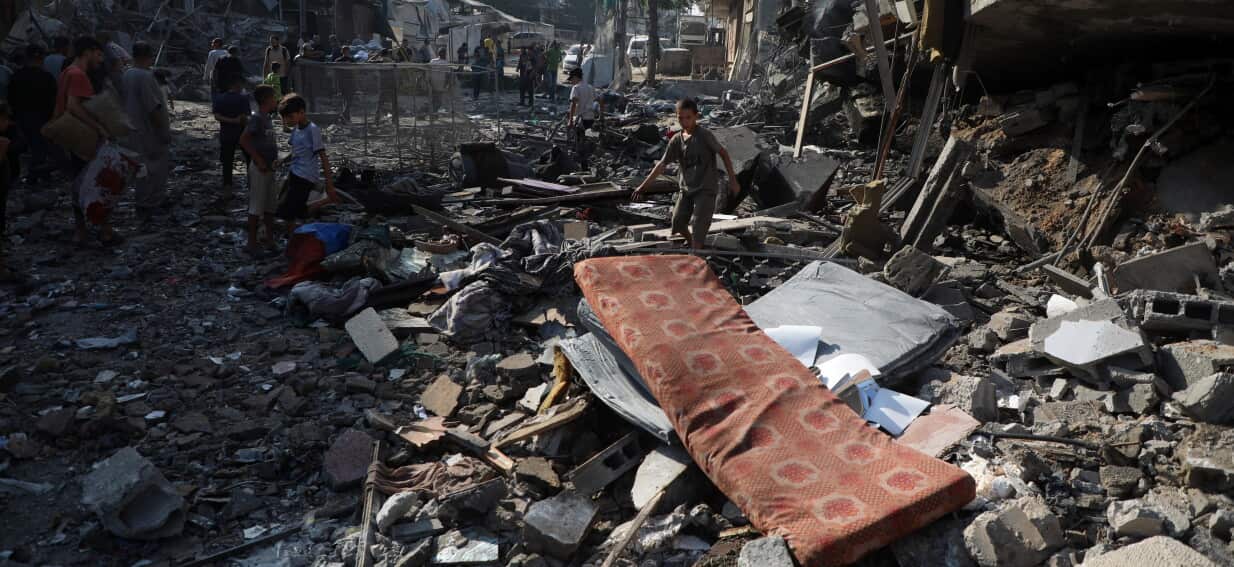
Israeli airstrikes have claimed the lives of 18 individuals across the Gaza Strip, as a prominent minister declared there would be no cessation of attacks, according to reports from SBS News Top Stories. The fatalities come amidst intensified military operations, further escalating tensions in the volatile region, even as the United States champions a pathway for the disarmament of Hamas.
The ongoing bombardment has drawn international condemnation and renewed calls for de-escalation, yet Israel maintains its right to self-defence against perceived threats. The latest casualties underscore the devastating human cost of the protracted conflict, with humanitarian organisations expressing grave concerns over the welfare of Gaza's civilian population.
Diplomacy Fails to Deter Strikes
The announcement from Washington regarding a potential roadmap for Hamas's disarmament was met with a stark continuation of military action on the ground. This disconnect highlights the profound challenges in brokering a lasting peace, with both sides seemingly entrenched in their positions. While details of the proposed disarmament path remain scant, its introduction aimed to provide a diplomatic off-ramp from the ongoing hostilities.
However, the persistent strikes suggest that Israel views military pressure as a primary means of achieving its security objectives, regardless of external diplomatic overtures. This strategy often faces criticism from international bodies and human rights groups, who argue that such actions disproportionately impact non-combatants and exacerbate an already dire humanitarian situation within Gaza.
Minister's Stance Hardens Resolve
A senior Israeli minister's unequivocal statement that there would be “no deal to halt attacks” signals a hardened resolve within the Israeli government to pursue its current military campaign. This declaration, as reported by SBS News Top Stories, effectively dismisses immediate prospects for a ceasefire and reinforces the perception that Israel is prepared for a prolonged engagement.
Such pronouncements inevitably draw sharp rebukes from Palestinian officials and their allies, who accuse Israel of collective punishment and a disregard for international law. The minister's comments are likely to be interpreted as a rejection of diplomatic initiatives and a doubling down on military solutions, potentially frustrating efforts by international mediators, including those from Australia, to de-escalate the crisis.
Humanitarian Crisis Deepens
The relentless airstrikes are having a profound and devastating impact on the civilian population of Gaza. Already grappling with severe restrictions on movement, access to essential services, and a crippled economy, residents are now facing an intensified threat to their lives and livelihoods. Hospitals, many of which are already struggling with shortages of medical supplies and personnel, are being overwhelmed by the influx of casualties.
Aid organisations are sounding the alarm over the deteriorating humanitarian situation, warning of a potential collapse of basic services if the conflict continues unabated. The destruction of infrastructure, including residential buildings and roads, further complicates relief efforts and exacerbates the suffering of hundreds of thousands of people. The international community, including Australia, is being urged to provide urgent assistance and redouble efforts towards a peaceful resolution, with many questioning the long-term viability of current approaches given the escalating death toll and humanitarian crisis.