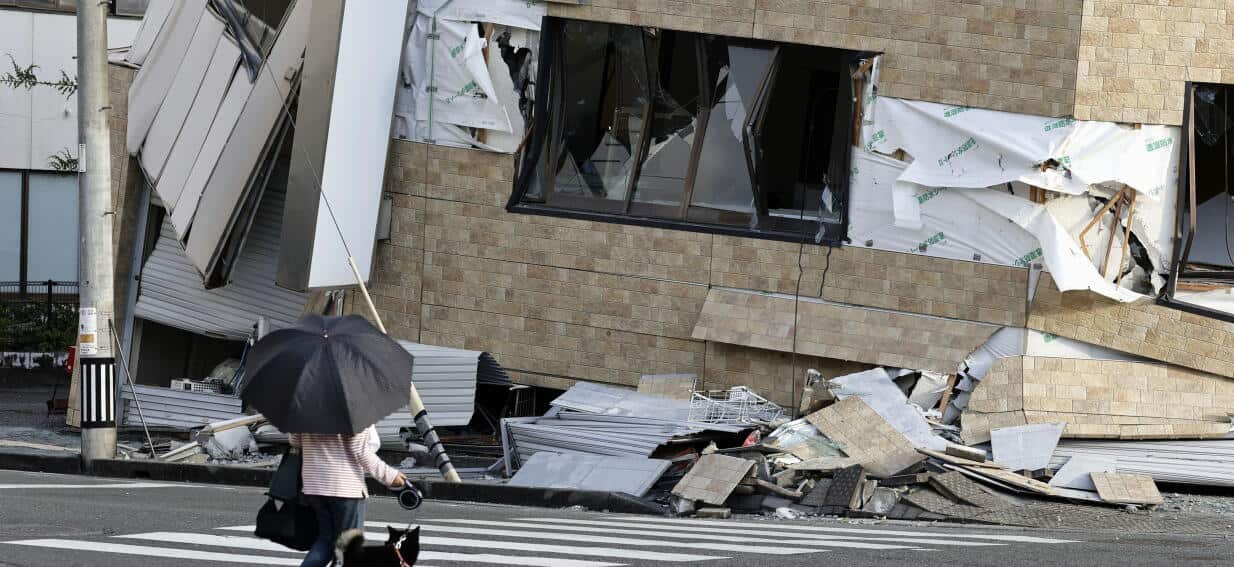
Japan’s southern prefecture of Kumamoto is once again reeling, as a powerful earthquake has claimed at least 13 lives and injured scores more, triggering a desperate rescue effort in a region still haunted by a catastrophic tremor seven years ago.
Emergency services are working frantically to locate and free individuals believed to be trapped beneath the debris of a collapsed shopping complex and numerous homes, as the island nation, one of the world’s most seismically active, grapples with another tragic natural disaster.
Echoes of a Tragic Past
The most recent seismic event brings a chilling sense of déjà vu to Kumamoto, a prefecture that vividy remembers the two massive earthquakes that struck within days of each other in April 2016. Those tremors unleashed widespread destruction, claiming the lives of more than 270 people and causing billions of Australian dollars in damage. The memory of that devastation, which saw entire communities flattened and crucial infrastructure crippled, lingers heavily as residents confront the aftermath of this new catastrophe.
While the full extent of the damage is still being assessed, early reports from SBS News Top Stories indicate that rescuers are facing significant challenges. Landslides, disrupted power and communications, and precarious structures are all hampering efforts to reach those in need. The Japan Meteorological Agency (JMA) issued a tsunami warning shortly after the quake, initially raising fears of a much larger disaster, though this was later lifted, providing a small measure of relief amidst the unfolding tragedy.
The Race Against Time Beneath the Rubble
Among the most urgent priorities for rescue teams is the search for people trapped within a multi-story shopping centre that partially collapsed. Footage from local news outlets shows structural damage, with sections of the building pancaked, indicating the immense force of the tremor. Authorities have not yet confirmed the exact number of people believed to be inside the complex at the time of the quake, but the focus is squarely on a rapid response, as every minute is critical for survival in such circumstances.
Beyond the commercial complex, residential areas have also borne the brunt of the quake. Many older Japanese homes, while built to stringent seismic codes, can still be vulnerable to particularly strong or shallow tremors. Firefighters and military personnel are systematically searching through damaged properties, often by hand, listening for any signs of life. The psychological toll on these first responders is immense, as they work under constant pressure in a landscape of fear and uncertainty.
Australian Support and Global Concern
Australia's Department of Foreign Affairs and Trade (DFAT) has issued a travel advisory for the affected region, urging Australian citizens to exercise caution and follow the instructions of local authorities. While there have been no immediate reports of Australian casualties, the Embassy in Tokyo is monitoring the situation closely and stands ready to provide consular assistance if required. Historically, Australia has often provided humanitarian aid and disaster relief personnel to Japan following major natural disasters, and it is anticipated that similar offers of support will be considered as the situation develops.
International agencies and governments have also begun to express their condolences and offer assistance, highlighting the global concern for Japan's plight. For the people of Kumamoto, however, the immediate future is dominated by the grim task of recovery, rebuilding, and once again, coming to terms with the devastating power of nature. As the debris is slowly cleared and the full human cost becomes clearer, the prefecture will once more look to its resilience and community spirit to navigate through this latest period of profound sorrow and uncertainty.