
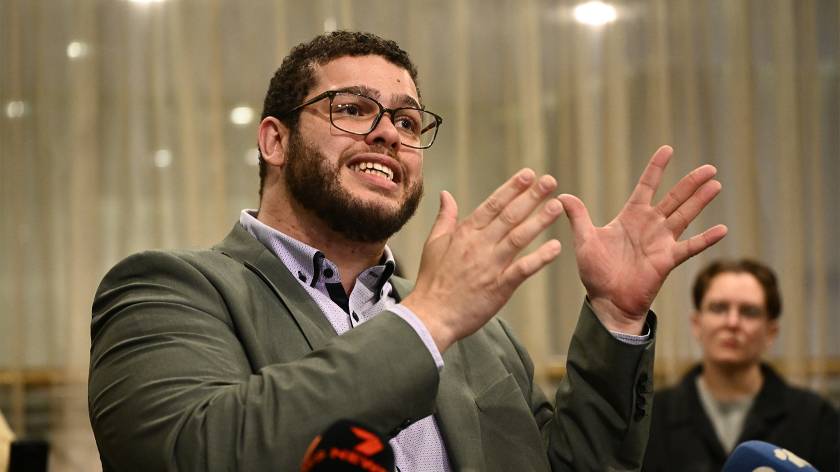
The Australian Greens are facing intensifying calls to initiate a formal inquiry into persistent allegations surrounding Senator Jordon Steele-John, amid warnings that factional infighting must not overshadow party accountability.
The minor party, which has long campaigned on stringent workplace standards and cultural reform within federal parliament, is confronting internal friction over how to handle lingering claims regarding the Western Australian senator. As reported by independent outlet Crikey, speculation and unverified claims regarding Senator Steele-John have circulated within political and party circles for a sustained period, prompting demands for a definitive investigation.
Factional friction overshadows party integrity
According to Crikey, the emergence and timing of the allegations have led some party figures to suspect factional motivations designed to destabilise the high-profile senator. However, the commentary warned that political machinations should not distract from determining the factual accuracy of the underlying claims.
The outlet reported that rumours have circulated long enough to warrant an independent assessment, cautioning that dismissing complaints solely on the basis of factional hostility risks undermining the party's ethical standing.
Within Australian political organisations, competing factions frequently exploit workplace grievances or interpersonal disputes during internal ballots and preselection battles. Observers note that while strategic timing often colours internal party complaints, unresolved allegations invariably fester without transparent, formal processes.
Mounting scrutiny on Greens' internal complaints processes
The controversy highlights ongoing scrutiny of how minor parties navigate complex human resources matters and internal disputes. Following successive inquiries into parliamentary workplace culture, political parties of all stripes have faced pressure to overhaul their internal dispute resolution mechanisms to guarantee procedural fairness for both complainants and the accused.
The Greens have consistently advocated for the rapid implementation of the recommendations from the landmark Jenkins review, which called for independent oversight of parliamentary misconduct. Internal critics have nevertheless pointed out that third-party complaints processes within political party structures often remain fragmented, vulnerable to partisan deadlocks, and lacking clear investigative thresholds.
Without a formal mechanism to substantiate or dispel allegations, party officials risk exposing elected representatives to trial by whispering campaign, while potentially failing individuals who harbour legitimate workplace grievances.
West Australian branch faces governance test
Senator Steele-John, who entered the Senate in 2017 representing Western Australia, serves as the party’s spokesperson for disability rights and health, holding a prominent national profile within the party room. His visibility has made him a central figure in both legislative negotiations and internal party deliberations.
The West Australian branch and federal leadership now face delicate choices regarding party discipline and administrative transparency. Observers suggest that unresolved speculation threatens to distract the party from its broader policy platform at a time when minor parties face rigorous scrutiny from both major rivals and independent crossbenchers.
Whether the party executive decides to refer the matter to an independent arbiter remains unresolved. What is clear, however, is that pressure is mounting from within progressive ranks to establish clarity, ensure natural justice, and demonstrate that the party’s internal governance matches its public rhetoric on parliamentary accountability.


