
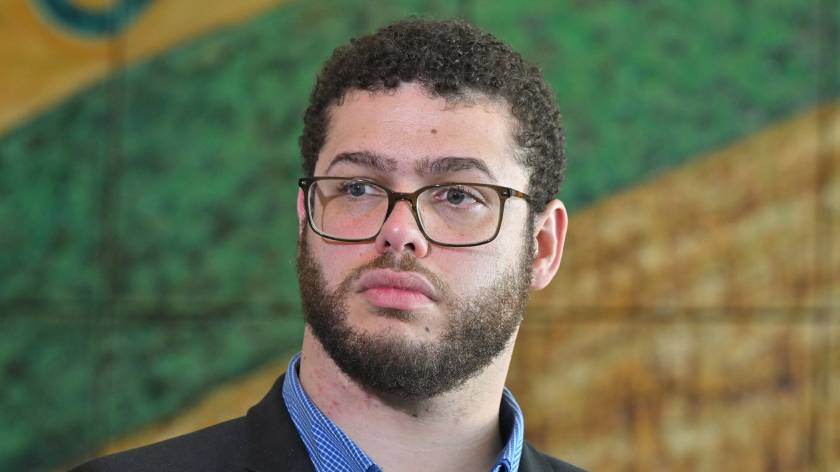
Allegations of misconduct against Greens Senator Jordon Steele-John have thrust Australia's parliamentary accountability mechanisms into the spotlight, sparking renewed calls for a comprehensive overhaul of how politicians are investigated.
The claims, first reported by independent news outlet Crikey, highlight deep-seated concerns about the limited scope of current processes and a glaring absence of protection for those who come forward with complaints within the highly scrutinised environment of Parliament House.
Accountability in the Spotlight
Crikey’s report meticulously details the challenges inherent in Australia’s existing framework for addressing alleged misconduct by elected representatives. Unlike many other workplaces, the parliamentary ecosystem operates under a unique, often opaque, set of rules when it comes to internal complaints.
Sources familiar with the allegations against Senator Steele-John suggest that the current system places an undue burden on complainants while offering minimal assurance of impartial investigation or subsequent justice. This situation, observers argue, creates a chilling effect, discouraging individuals from reporting issues due to fear of reprisal or a belief that their concerns will not be adequately addressed.
A System Under Fire
The current investigative pathways for parliamentary misconduct are fragmented and often lack independence. Depending on the nature of the allegation, issues might fall under the purview of internal party processes, the Presiding Officers (the Speaker or Senate President), or even law enforcement if criminal activity is suspected. However, for many forms of non-criminal misconduct, the pathways are less clear, and the outcomes often remain shrouded in secrecy.
As Crikey outlined, the perceived limitations of these processes extend to the lack of formal, independent bodies with the power to conduct thorough investigations into politicians' conduct that falls short of criminal activity but still constitutes serious breaches of ethical standards or workplace policy. This leaves a significant gap in accountability, particularly when allegations relate to power imbalances inherent in political offices.
Protecting the Vulnerable
Central to the unfolding debate is the critical issue of whistleblower protection. The parliamentary environment, characterised by tight-knit political circles and powerful figures, can be particularly daunting for individuals wishing to report misconduct. Without robust, legislated protections, there is a tangible risk that whistleblowers could face professional detriment, social ostracisation, or even legal challenges.
Experts quoted by Crikey emphasised that true accountability cannot exist without ensuring that individuals feel safe and supported when exposing alleged wrongdoing. They contend that the absence of a comprehensive, independent whistleblower framework not only undermines justice for individuals but also erodes public trust in parliamentary institutions.
Calls for Comprehensive Reform
In the wake of various high-profile allegations in recent years, including those that emerged from the independent review by former Sex Discrimination Commissioner Kate Jenkins, there have been persistent calls for the Australian Parliament to establish a more robust, independent mechanism for investigating and resolving workplace complaints. These proposals typically advocate for a body with the power to investigate, mediate, and impose appropriate sanctions, separate from political influence.
The Greens party has indicated it is taking the allegations against Senator Steele-John seriously and is following its internal processes. However, the broader discussion now centres on whether internal party mechanisms, while necessary, are sufficient to address the systemic issues highlighted by such cases. The current spotlight on Senator Steele-John's situation serves as a stark reminder of the urgent need for systemic reform to ensure transparency, accountability, and justice for all within the nation's highest legislative body.


