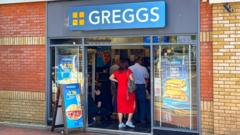
LONDON – Greggs, the UK's largest takeaway food chain, has seen its profits soar as the stalwart of budget British baked goods successfully pivots its menu to align with evolving consumer preferences for healthier and more diverse options.
The high-street giant, renowned for its pervasive presence across the United Kingdom, reported robust financial results, buoyed by strategic investments in items such as matcha lattes and protein-rich snacks. The move signals a concerted effort by Greggs to modernise its offering and capture a broader market, particularly among health-conscious millennials and Gen Z consumers.
Savoury Shift and Sweet Success
For decades, Greggs has been synonymous with its iconic sausage rolls, pasties, and an array of sweet baked treats. However, recent years have seen a gradual but significant shift in consumer patterns, with increasing demand for plant-based, gluten-free, and nutrient-dense options. BBC Business reported that Greggs' proactive response to these shifting tastes has been a key driver of its financial upturn.
The company has strategically introduced new product lines, including a range of hot food options, healthier sandwiches, and speciality drinks like matcha. This expansion goes beyond simply adding new items; it represents a fundamental re-evaluation of the brand's identity and its place in a competitive and rapidly changing fast-food landscape. The success of this pivot underscores a broader trend in the food industry, where traditional chains are adapting to remain relevant in an era of heightened dietary awareness and diverse culinary interests.
From Pasties to Protein: A Menu Evolution
The transformation of Greggs' menu isn't merely about adding a few trendy items; it's a comprehensive overhaul reflecting deep market analysis. The introduction of protein pots, grain bowls, and a wider selection of fresh fruit options alongside vegetarian and vegan sausage rolls demonstrates a commitment to catering to a wider spectrum of dietary needs and preferences. This strategic diversification helps Greggs appeal to a demographic that might traditionally have overlooked the chain in favour of more health-focused eateries.
Industry analysts suggest that by embracing these trends, Greggs is not only safeguarding its existing customer base but also attracting new patrons. The blend of familiar comfort food with innovative, healthier choices provides a compelling proposition, allowing the company to maintain its mass appeal while also tapping into niche markets. This balancing act is crucial for large chains looking to sustain growth in a fragmented and discerning food market.
Eyeing Opportunities Down Under?
The impressive performance and strategic expansion at Greggs raise questions about potential international ambitions, particularly in markets with strong British expatriate communities and a growing appetite for diverse food offerings, like Australia. While Greggs has historically focused on its domestic market, the success of other UK brands, such as Costa Coffee and more recently, even Marks & Spencer, suggests a viable pathway for expansion for beloved British institutions.
Should Greggs decide to venture into the Australian market, it would face a highly competitive landscape dominated by established local and international players. However, its unique brand identity, combined with a modernised menu that balances traditional comforts with contemporary health trends, could carve out a distinct niche. A Greggs opening in Sydney or Melbourne, offering its famous sausage rolls alongside matcha lattes and protein snacks, could potentially attract both nostalgic expats and Curious Australian consumers keen to sample a taste of British high-street culture. Any such move would likely involve significant investment, potentially running into millions of Australian dollars, for market research, supply chain establishment, and store fit-outs, but the global success of similar quick-service food models suggests substantial returns are possible.