Pauline Hanson’s high-profile, and at times inflammatory, National Press Club speech appears to have done little to bolster her party’s standing, with a Guardian Essential poll revealing a plateau in One Nation’s support and growing unease among its own voter base.
The controversial address, delivered just weeks ago, saw Hanson launch broadsides against fundamental pillars of Australian society, including multiculturalism, climate action initiatives, the United Nations, and the national broadcasters ABC and SBS. However, despite the provocative rhetoric designed to ignite her base and capture national headlines, the latest polling data suggests her message has failed to translate into increased popularity.
One Nation Base Shows Cracks
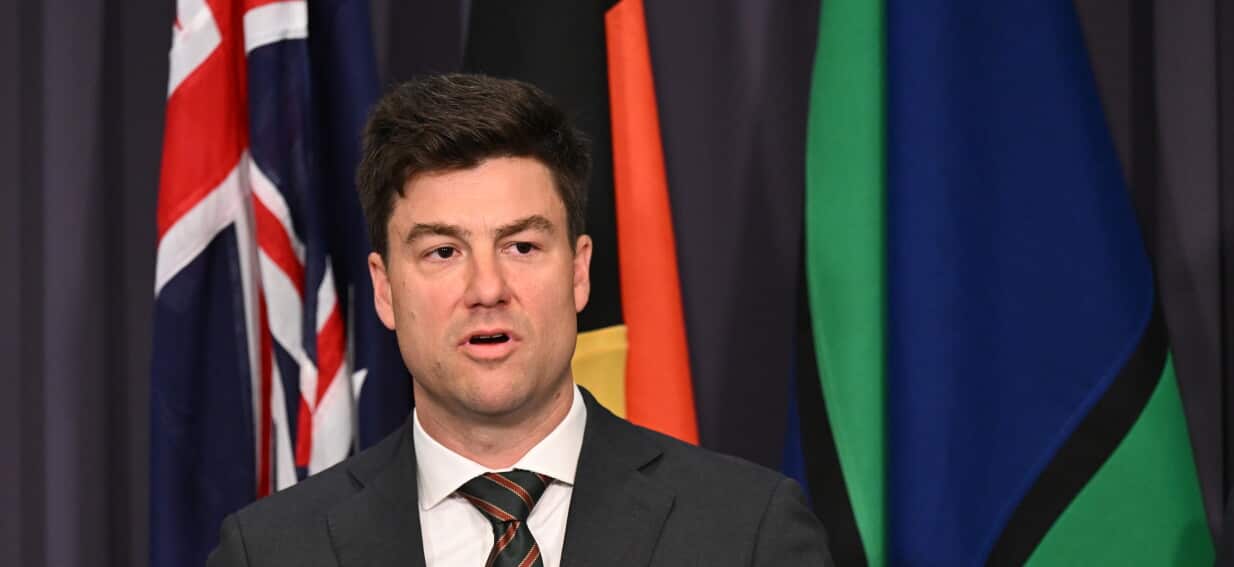
Guardian Australia political reporter Josh Butler, discussing the poll results, highlighted a significant finding: a noticeable unease within One Nation's own supporter ranks regarding the party’s policy offerings. This internal questioning suggests that Hanson’s confrontational approach, while resonating with some, may be alienating others who are drawn to the party for different reasons. The executive director of Essential Media, Peter Lewis, elaborated on these findings, indicating that while Hanson successfully garnered attention, it hasn't necessarily translated into enduring political capital. The poll’s findings imply a level of policy fatigue or even disagreement among those who might typically align with One Nation's broader anti-establishment message.
The Anger Driving the Vote
Lewis and Butler delved into the underlying sentiment that continues to fuel interest in One Nation: anger. They discussed the persistent frustration and disaffection that many Australians feel towards mainstream politics, a sentiment Hanson has historically cultivated and harnessed. While her recent speech aimed to tap into this wellspring of resentment, the survey suggests that simply voicing these grievances may no longer be sufficient to expand her party's appeal. The discussion centred on understanding the multifaceted nature of this anger and exploring more constructive ways to address it, rather than merely reflecting it through provocative pronouncements.
Policy Over Provocation
For One Nation, these results could signal a critical juncture. The Guardian Essential report suggests that an over-reliance on incendiary rhetoric against perceived enemies may have reached its limit in terms of attracting new voters. Instead, there appears to be a growing imperative for the party to articulate more substantive and coherent policy solutions, particularly to address the concerns of its existing base. The report indirectly raises the question of whether a shift from pure provocation to practical policy proposals might be necessary for One Nation to break through its current polling ceiling and broaden its appeal beyond a core group of disaffected voters.
Looking Ahead: A Call for Cohesion?
The insights from the Guardian Essential poll offer a valuable snapshot into the current political landscape and the challenges facing populist movements like One Nation. As political analysts continue to dissect the data, the focus shifts to how political parties can effectively respond to voter dissatisfaction without resorting to divisive tactics that ultimately fail to win over a broader cross-section of the electorate. For Hanson, the coming months will reveal whether her party can adapt its strategy to move beyond mere protest and offer policies that genuinely resonate with a wider audience, or if her support will indeed remain stalled on a plateau of provocation.