
One Nation leader Pauline Hanson has seized upon erupting civil unrest across France to warn of a collapse in Western values, reframing severe economic discontent into a contentious debate over immigration.
The populist senator’s commentary followed days of widespread street demonstrations in French cities, which have seen vehicles torched, infrastructure damaged, and hundreds of arrests by tactical police. As reported by independent news outlet Crikey, Senator Hanson was swift to attribute the disorder to multiculturalism and migrant communities allegedly hostile to Western civic norms.
Culture Wars Seize on Parisian Turmoil
Yet domestic observers and European correspondents suggest the narrative advanced by Canberra’s political fringes oversimplifies—and arguably misdiagnoses—the volatile climate gripping the republic.
While conservative commentators have frequently pointed to suburban tensions to advance hardline border policies, French demonstrators have consistently directed their fury toward economic precarity, declining state services, and executive overreach. The clashes followed months of protracted strikes against statutory pension changes and compounding inflationary pressures, reflecting widespread voter alienation that cuts broadly across demographic and ethnic lines.
Inflation and the Ghosts of 1789
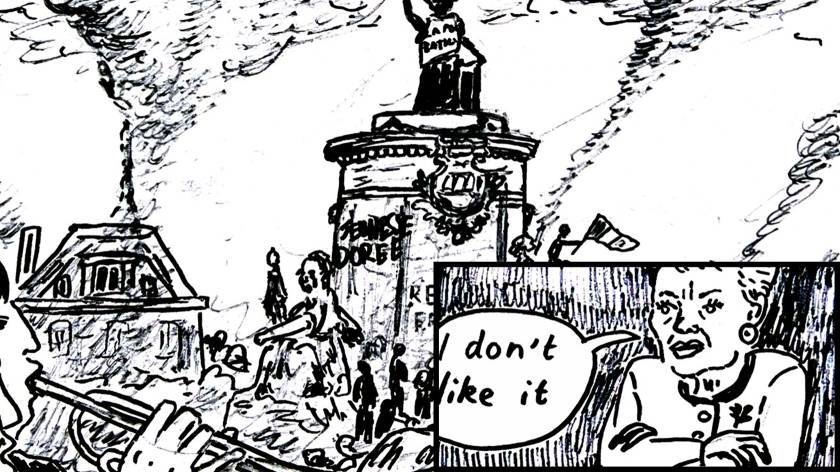
Crikey reported that beneath the anti-migrant commentary lies a conspicuous historical irony: mass public confrontation triggered by breadline pressures is deeply woven into French civic history. The current wave of public anger bears close resemblance to classic revolutionary mobilisations, where the rising cost of everyday essentials spurred working-class households to revolt against an unresponsive political establishment.
French families have grappled with acute cost-of-living spikes, as grocery bills and escalating utility charges have severely eroded real wages. In terms familiar to Australian consumers contending with local economic headwinds, purchasing power has shrunk markedly, leaving low-income earners on the margins of major metropolitan hubs especially vulnerable to financial strain. When basic subsistence becomes unaffordable, French social compacts have historically fractured along material and class lines rather than purely cultural divides.
Rhetoric Diverges From European Reality
The One Nation response illustrates how foreign domestic upheavals are routinely instrumentalised for local political campaigning. By framing the rioting as an existential threat to Western civilisation caused by progressive immigration frameworks, populist figures avoid engaging with the systemic economic drivers that resonate uncomfortably close to home.
With inflation remaining a pervasive concern across advanced economies, public disaffection in Europe serves as an acute case study in the consequences of prolonged household distress. Dismissing widespread discontent as simply a clash of civilisations risks ignoring the material hardships confronting everyday citizens, both abroad and in Australia.


