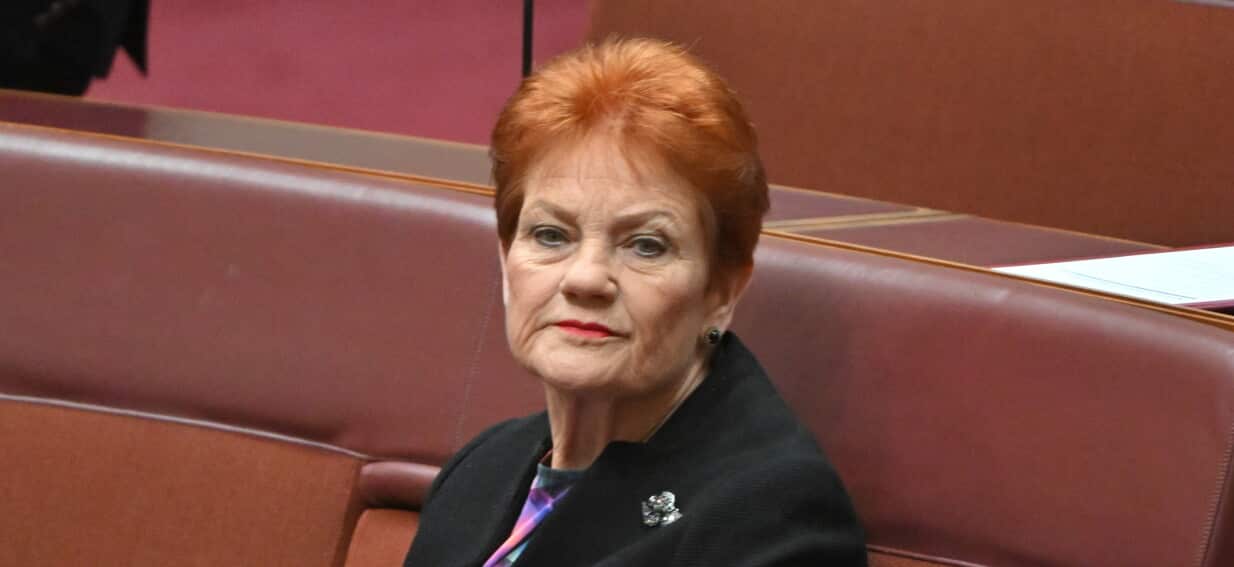
Pauline Hanson, the firebrand leader of One Nation, found herself in the hot seat this week, fending off pointed questions regarding her past admiration for Russian President Vladimir Putin, her recent European travels, and divisive comments echoing the sentiments of the White Australia policy.
Dutton Demands Clarity on Putin Stance
The Federal Opposition leader, Peter Dutton, has challenged Senator Hanson to clarify her position on Russian President Vladimir Putin. Senator Hanson, during an interview with SBS News Top Stories, defended her previous praise for Putin's leadership, stating that her comments were made well before Russia's full-scale invasion of Ukraine. However, Mr. Dutton emphasised the current geopolitical climate, asserting the need for all Australian political figures to unequivocally condemn the actions of the Russian regime. He highlighted the devastating humanitarian crisis in Ukraine and the widespread international condemnation of Russia's aggression, suggesting that any past positive remarks about Putin were now deeply problematic and required retraction or significant contextualisation. The Opposition Leader’s office indicated that Australian political leaders have a responsibility to project a unified stance against authoritarianism.
Rinehart's 'Tough' Times: Hanson’s Empathy for a Billionaire
During the same SBS News Top Stories interview, Senator Hanson courted further controversy by expressing sympathy for mining magnate Gina Rinehart, claiming the billionaire had "done it tough." This sentiment immediately drew scorn from various corners, including social commentators and union representatives, who pointed to the stark contrast between Rinehart's vast wealth and the genuine struggles faced by everyday Australians. Critics argued that such comments displayed a profound disconnect from the financial realities experienced by most citizens grappling with the rising cost of living, soaring interest rates, and stagnant wages. While not directly rebutting Hanson's claim, a spokesperson for an economic think tank noted that discussions around financial hardship typically focused on individuals below the poverty line, not those at the apex of Australia's rich list.
European Sojourn and the White Australia Specter
Hanson also faced inquiries regarding her recent European holiday, which occurred while Parliament was in session. The timing of the trip, undertaken during a period of significant legislative debate, raised eyebrows and prompted questions about her commitment to parliamentary duties. Undeterred, Senator Hanson justified her absence, asserting her right to personal time. More significantly, the One Nation leader revisited contentious historical ground, openly discussing the White Australia policy. She lamented the dismantling of the policy, implying that its reintroduction or a similar stance on immigration would benefit the nation. These comments immediately reignited debate and drew strong condemnation from multicultural community leaders and human rights advocates, who stressed the discriminatory and damaging nature of such policies. A representative from a prominent migrant support organisation reiterated the importance of a diverse and inclusive Australia, pointing out that such rhetoric risked alienating significant portions of the population and undermining social cohesion. The historical context of the White Australia policy, which officially ended in 1973, was widely discussed in the aftermath of her remarks, with historical consensus firmly branding it as a racist and exclusionary immigration scheme that caused immense harm to Indigenous Australians and non-white immigrants alike.
Broader Implications and Public Response
Senator Hanson’s recent pronouncements have once again placed One Nation firmly in the spotlight, sparking robust public debate across traditional and social media platforms. The reactions have been predictably polarised, with her loyal base often defending her outspoken nature, while critics lambast her for what they perceive as divisive and outdated rhetoric. As the political calendar progresses, observers will be watching closely to see how these controversies impact One Nation's standing with the electorate, especially in the lead-up to the next federal election where issues of national security, economic equity, and social inclusion are sure to dominate the discourse.