
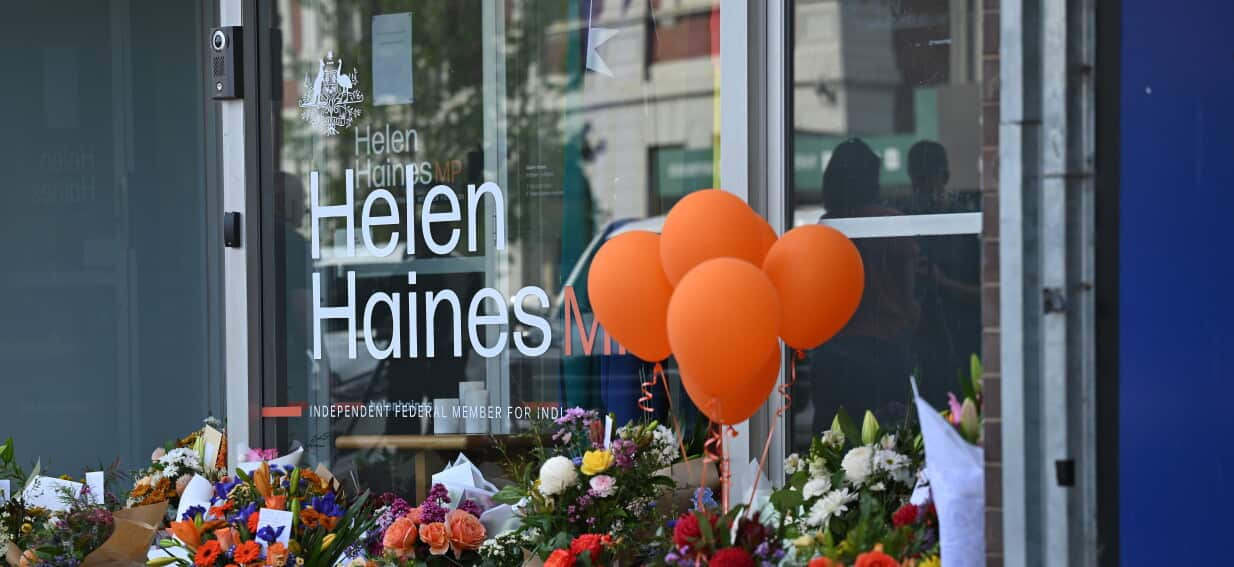
The recent assault on federal independent MP Helen Haines has struck a raw nerve across the nation, reigniting acute distress among women already navigating the pervasive threat of gender-based violence.
For many Australians, the confrontation targeting the member for Indi was not merely an isolated security breach in a regional electorate, but a stark reminder of an unresolved national crisis. SBS News Top Stories reported that the incident has deeply unsettled women with lived experience of gendered violence, demonstrating how high-profile encounters can quickly unearth deeply held fears and personal trauma.
A Resonant Shock Across Regional Communities
Dr Haines, a prominent and respected voice on the federal crossbench, has long championed grass-roots democratic engagement across north-eastern Victoria. Her public work relies fundamentally on an open, accessible relationship with constituents at town halls, regional markets, and community forums.
Yet, as SBS News Top Stories reported, the violation of that civic compact through an act of targeted aggression sends ripples far beyond the immediate precinct of the incident. When an elected representative—particularly a mature female parliamentarian known for calm deliberation—is subjected to intimidation or physical threat, it diminishes the collective sense of safety among the women she represents.
Community advocates observe that regional centres, often characterised by close-knit familiarity, are far from immune to the hostility that increasingly mars Australian public discourse.
The Enduring Shadow of Gendered Intimidation
For survivors of family and domestic violence, news of the confrontation has functioned as an unwelcome trigger. Frontline welfare organisations note that high-profile episodes of violence against women consistently produce surges in distress, forcing survivors to relive the dread of past violations.
This psychological toll highlights the reality that millions of Australian women continue to organise their daily routines around threat assessments. From calculating routes home after dark to enduring harassment in online forums and workplaces, the burden of vigilance remains constant. The assault against a sitting member of parliament merely brought into sharp relief what ordinary women manage behind closed doors every day.
Political Class Reckons With Escalating Hostility
The episode also underscores a toxic environment confronting women in public life. In Canberra and across state legislatures, female representatives have repeatedly warned of escalating vitriol, stalking, and harassment, driven by partisan polarisation and unchecked online radicalisation.
While parliamentary authorities have bolstered personal security allocations and tightened protocols around district offices, these defensive measures do little to address the root causes of the hostility. There is growing concern among political observers that rising personal risk will discourage talented women from entering public service, further eroding gender parity in Australian governance.
Dismantling the Normalisation of Fear
The widespread public reaction to the incident reflects a societal exhaustion with recurring cycles of shock, parliamentary condemnation, and eventual inaction. Beyond the immediate legal proceedings against Dr Haines's alleged assailant, the event has intensified demands for federal and state governments to treat the safety of women not as an occasional law-and-order debate, but as an urgent human rights emergency.
Until systemic misogyny is actively dismantled, the apprehension shared by women nationwide will continue to cast a dark shadow over everyday Australian life.


