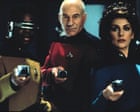
When British actor Patrick Stewart first stepped aboard the USS Enterprise bridge, his classical training and stern Yorkshire demeanour threatened to clash with a younger, irreverent ensemble cast determined to test his limits.
The actor, revered for his commanding portrayal of Captain Jean-Luc Picard in Star Trek: The Next Generation, was initially viewed with genuine apprehension by his castmates, according to co-star Marina Sirtis.
Writing in a retrospective piece for Guardian Australia Culture, Sirtis, who portrayed the empathic counsellor Deanna Troi across seven seasons and four feature films, revealed she had been cautioned extensively about Stewart’s unyielding professional discipline prior to filming the beloved science-fiction series in 1987.
Breaking the classical mould
Colleagues who had shared the stage with Stewart at the Royal Shakespeare Company warned Sirtis that the classically trained thespian would have little patience for set antics or attempts to break character.
Sirtis recounted that peers advised her: "Marina, you can’t be you around Patrick Stewart. He’s all about the work. He takes it very seriously and he won’t abide you mucking about and trying to make people corpse."
The London-born actor, an ardent Tottenham Hotspur supporter, admitted to feeling genuinely intimidated by the Yorkshireman's traditional sensibilities. Early during production, Stewart delivered an infamous reprimand to his castmates, sternly reminding them that they were assembled to work rather than indulge in frivolity.
Sirtis noted that the stern declaration was met with disbelief, likening her reaction to the disdain she reserved for Arsenal supporters on the football terrace. Rather than cower, the junior cohort decided to mount a coordinated campaign to soften their captain’s rigid posture.
From culture clash to creative liberation
The deliberate pushback quickly yielded unexpected results. Over time, the ensemble's warmth and persistent irreverence dismantled Stewart’s protective shell, forging a collegiate atmosphere rarely seen on major studio television sets of that era.
Stewart would later acknowledge that the cast's persistent humour provided a profound sense of creative liberation that had eluded him throughout his classical British stage career. Sirtis reflected that the younger generation managed to free the veteran actor from the constraints of his generational reserve.
The thaw not only altered set dynamics but also enriched Picard’s on-screen authority, infusing the stoic Starfleet commander with a subtle warmth and emotional resonance that underpinned the franchise's resurgence throughout the 1990s.
Bringing gravitas and advocacy to the bridge
Beyond the laughter between takes, Stewart used his growing stature to anchor the series with intellectual weight, transforming what could have been disposable genre fare into sophisticated television drama.
Guardian Australia Culture reported that Stewart also evolved into a fierce advocate for his fellow performers. Sirtis noted that the actor consistently championed her character’s development, often demanding that scripts be rewritten to afford Troi greater agency and professional consequence within the crew’s command structure.
Nearly four decades after the Enterprise launched, Sirtis looks back on Stewart not as the intimidating Shakespearean taskmaster of his reputation, but as a devoted friend whose formidable presence permanently altered the trajectory of the franchise and the lives of those who shared his bridge.