
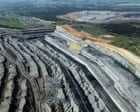
Branxton, NSW — Residents of the Hunter Valley are locked in a contentious struggle over plans for a colossal 19-year extension to the Hunter Valley Operations (HVO) coal mine. The proposal, which would make it New South Wales’ largest coalmine expansion, has sparked widespread anxiety among local communities, who fear the environmental and social consequences will irrevocably harm their region and future generations.
Community Outcry Amid Climate Concerns
Last week, the Branxton community hall became the epicentre of local frustration as dozens of residents, including long-time local Janet Murray, voiced their fervent opposition to the HVO expansion. Murray, granted a precious five minutes to articulate her concerns, highlighted a prevailing sentiment that the proposed extension prioritises mining interests over community well-being and environmental stewardship.
The Guardian NSW politics outlet reported on the palpable tension at the community meeting, where residents expressed profound dismay at the prospect of decades more coal mining in a region already heavily impacted by the industry. The proposed extension, if approved, would significantly prolong the operational life of a mine complex already among the nation's largest, raising critical questions about air quality, water resources, and the overall liveability of the Hunter Valley.
Minns Government's Climate Conundrum
The controversy places the Minns Labor government in a delicate political predicament. Despite having promised no new coalmines during the last election, the administration has maintained that it will consider extensions to existing sites. This nuanced stance is proving difficult to reconcile with the state's ambitious climate targets, which the government is reportedly already struggling to meet. Environmental groups and concerned citizens argue that approving such a substantial extension would directly undermine efforts to transition away from fossil fuels and could severely hamper NSW’s ability to meet its emissions reduction goals.
The Guardian NSW politics has extensively covered the government's balancing act, noting the increasing pressure from both environmental advocates and industry stakeholders. The decision on the HVO extension is seen as a critical test of the Minns government’s commitment to its climate agenda and its capacity to manage the complex economic and environmental trade-offs inherent in such large-scale industrial proposals.
Future of the Hunter Valley at Stake
For residents like Janet Murray, the fight is deeply personal. Their concerns extend beyond immediate environmental impacts to the long-term legacy of mining on their children’s health and the region's economic diversification. There are fears that continued reliance on coal mining will stifle the development of alternative industries and hinder the Hunter Valley’s adaptation to a decarbonised economy.
Community groups are mobilising, preparing to launch concerted campaigns to ensure their voices are heard at every stage of the approval process. They are calling for a transparent and comprehensive assessment of the extension's cumulative impacts, demanding that the Minns government prioritise the health and future prosperity of the Hunter Valley over the continued extraction of a finite resource.
The fate of the HVO extension will not only determine the outlook for one of Australia's most significant coal-producing regions but will also serve as a barometer for the Minns government’s approach to climate action and sustainable development in New South Wales.