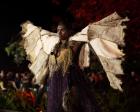
Darwin’s annual From Country to Couture event, part of the Darwin Aboriginal Art Fair, recently captivated audiences over two nights on Larrakia country, transforming the forecourt of Charles Darwin University’s Danala campus into a vibrant stage beneath a majestic boab tree.
The prestigious runway show, a cornerstone of Indigenous Fashion Projects (IFP), unveiled the works of 21 First Nations designers and art centres. This year's showcase underscored the rich tapestry of Aboriginal and Torres Strait Islander culture, intertwining traditional weaving, the symbolic wattle, and vital waterways into a contemporary fashion narrative.
A Platform for Indigenous Talent
The event featured a diverse cast of First Nations models and performers, bringing to life garments that spoke volumes about Country, heritage, and identity. Michelle Maynard, manager at Indigenous Fashion Projects, acknowledged the ambitious scale of the undertaking. “It’s a massive show, we could be mad to be doing it but the opportunities it creates for mob in this space is important, needed and our motivation,” Maynard told The Guardian Australia, highlighting the profound impact the event has on fostering careers and cultural preservation within the Indigenous fashion community.
From Country to Couture serves as a critical launchpad for emerging and established designers, providing unparalleled exposure to national and international buyers, media, and enthusiasts. The event not only celebrates artistic expression but also empowers Indigenous communities through economic development and cultural pride. The Guardian Australia previously reported on independent runways held by Indigenous designers ahead of Australian Fashion Week, demonstrating a growing desire for dedicated platforms that honour their unique perspectives.
Weaving Culture into Fabric
The designs presented were a testament to the enduring connection between First Nations peoples and their ancestral lands. Collections frequently incorporated natural fibres, traditional weaving techniques, and motifs inspired by the Australian landscape, particularly waterways and the iconic wattle. This deep cultural embeddedness differentiates Indigenous fashion on the global stage, offering narratives that are both deeply personal and universally resonant.
The emphasis on sustainable practices and ethical production was also evident, with many designers championing slow fashion principles and utilising materials sourced responsibly from Country. This approach not only respects the environment but also upholds the integrity of Indigenous knowledge systems and resource management.
Beyond the Runway: Economic and Cultural Impact
Indigenous Fashion Projects plays a pivotal role in nurturing these talents, offering mentorship, business development support, and pathways to market. The economic benefits generated by events like From Country to Couture flow directly back into Indigenous communities, supporting artists, their families, and art centres. This circular economy model strengthens cultural economies and promotes self-determination.
The global appetite for authentic, culturally rich fashion continues to grow, and Australian Indigenous designers are at the forefront of this movement. Events such as this not only educate broader audiences about the diversity and sophistication of First Nations cultures but also challenge conventional fashion norms, advocating for greater inclusivity and representation within the industry. The Ramingining fashion presentation, also highlighted by The Guardian Australia, celebrated Yolngu culture and design, showcasing another facet of this vibrant sector.
As the final models walked under the Darwin night sky, From Country to Couture 2026 cemented its status as more than just a fashion show; it was a powerful statement of cultural resilience, artistic innovation, and economic empowerment for First Nations peoples across Australia.