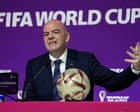
London: The embattled reign of FIFA President Gianni Infantino is facing an escalating crisis, with powerful European football federations abandoning their support for his re-election as global pressure mounts to usher in new leadership.
In a significant blow to the Swiss-Italian administrator, England's Football Association (FA) has reportedly withdrawn its endorsement for Infantino’s bid for a fourth term, joining a growing chorus of discontent across the UEFA bloc. The move, reported by Guardian Australia Sport, underscores the intensifying scrutiny of Infantino’s leadership, particularly in the wake of his controversial — and ultimately unsuccessful — plan to sell a substantial stake in the World Cup to private investors.
European Alliance Crumbles
The FA's decision to rescind its backing marks a pivotal moment, given England's influential standing within the international football landscape. According to Guardian Australia Sport, the FA is poised to formally communicate its revised stance to FIFA headquarters, signalling a significant shift in allegiances that could reverberate throughout the upcoming electoral cycle.
This follows similar declarations from the football associations of Wales, Serbia, and Finland, who have also publicly distanced themselves from Infantino. These withdrawals indicate a broadening European discontent that could severely jeopardise Infantino's prospects of securing another term at the helm of football's global governing body. While the specifics of the World Cup stake sale proposal remain largely under wraps, its perceived lack of transparency and potential implications for the sport's integrity have drawn widespread criticism, particularly from European quarters.
World Cup Commercialisation Controversy
The core of the dispute appears to stem from Infantino's ambitious — and highly secretive — proposals to dramatically overhaul the commercial structure of football's flagship tournament. Reports suggest that the FIFA president had been actively pursuing a deal with an unnamed consortium, potentially backed by Saudi Arabian interests, to offload a substantial portion of the World Cup's commercial rights for an estimated $35 billion AUD. This staggering figure, along with the perceived lack of consultation with member associations, ignited a firestorm of opposition, particularly within UEFA.
Critics argued that such a move would compromise the integrity and autonomy of the World Cup, transforming it into a privately controlled entity driven by profit motives rather than sporting development. The backlash was fierce and widespread, forcing Infantino to reportedly shelve the contentious proposal, at least for now. However, the damage to his standing and the trust of many member associations appears to have been considerable and, for some, irreparable.
A Broader Push for Reform
The European withdrawals are not isolated incidents but rather reflective of a broader movement within international football to hold leadership accountable and push for greater transparency and democratic governance. There is a palpable sense among many federations that FIFA, after years of scandal and reform efforts, needs to demonstrate a renewed commitment to its sporting mission rather than solely focusing on commercial expansion.
While no specific challengers to Infantino have yet emerged, the increasing pressure from significant footballing nations suggests that the upcoming election will be anything but a coronation. The coming months are expected to see intense jockeying for position, with various factions and potential candidates gauging the landscape as the FIFA presidency enters its most tumultuous period since the ousting of Sepp Blatter. The Sydney Daily News will continue to monitor developments from Zurich and beyond.