The Australian public is growing increasingly disillusioned with the federal government's handling of spiralling inflation and the cost-of-living crisis, according to the latest Guardian Essential poll. The survey also highlights a stark decline in the approval rating of Shadow Treasurer Angus Taylor, while support for Pauline Hanson's One Nation appears to have stalled.
The findings paint a challenging picture for both major parties, indicating widespread discontent among voters grappling with rising expenses and economic uncertainty. While Labor faces a backlash over its economic stewardship, the Coalition is not immune, with a key frontbencher experiencing a significant drop in public favour.
Voters See Red Over Rising Costs
The Guardian Essential poll, a prominent barometer of Australian political sentiment, underscores the profound impact of global and domestic economic pressures on households. A significant majority of respondents expressed dissatisfaction with the government's strategy for tackling inflation and the escalating cost of living. This sentiment suggests that despite various government initiatives, many Australians feel their financial struggles are not being adequately addressed.
From grocery bills to petrol prices and mortgage repayments, the everyday financial burden on families has become a dominant national conversation. The poll results indicate that this economic anxiety is translating into critical views of the Albanese government’s performance, placing immense pressure on Canberra to demonstrate more effective solutions.
Taylor's Troubles Deepen
For the Opposition, the news is particularly grim for Shadow Treasurer Angus Taylor. His approval rating has reportedly crashed, a development that will undoubtedly spark concern within Coalition ranks. As the primary economic spokesperson for the Liberal Party, a significant dip in public confidence in Mr Taylor could undermine the Opposition's ability to effectively challenge the government on its weakest point – the economy.
Political analysts suggest that Mr Taylor's challenges may stem from a combination of factors, including the public's general economic unease and potentially a perception that the Opposition is struggling to offer compelling alternative policies. The Coalition will be keenly aware that regaining public trust in their economic credentials will be crucial to their electoral prospects, and Mr Taylor's diminished standing presents a hurdle.
One Nation's Momentum Stalls
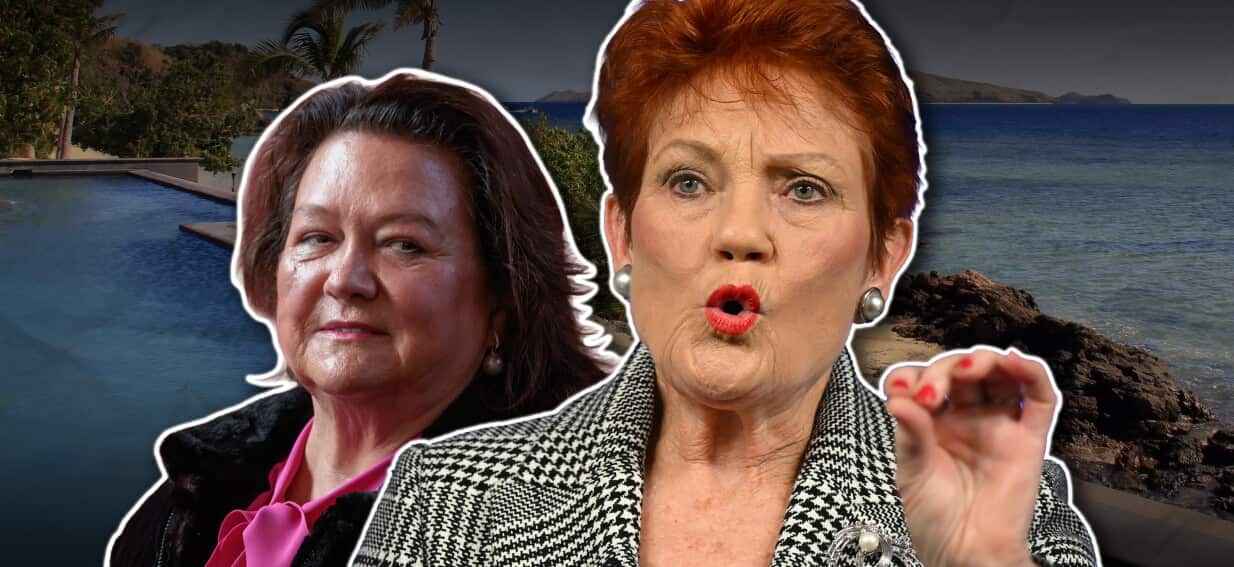
Meanwhile, the poll indicates that the primary vote for Pauline Hanson's One Nation party has plateaued. While often seen as a beneficiary of widespread disillusionment with mainstream politics, the latest figures suggest the party is not making further inroads with the electorate at this time. This could be interpreted as voters, while unhappy with major parties, are not necessarily flocking to minor or protest parties in significantly larger numbers.
One Nation's reliance on populist sentiment and contentious policy stances often sees their support wax and wane with specific issues. The current economic climate, while fertile ground for disaffection, appears not to be translating into sustained growth for the party, as reported by The Guardian Australia. This suggests that while economic concerns are paramount, voters may be seeking solutions elsewhere or remaining undecided.
A Shifting Political Landscape
The overall picture presented by the Guardian Essential poll is one of a volatile political landscape. Both Labor and the Coalition face significant challenges in navigating public dissatisfaction. For the government, the immediate task is to convince Australians that its economic policies are working and that relief from the cost-of-living crunch is on the horizon. For the Opposition, it's about rebuilding trust in its economic leadership and demonstrating a credible path forward that resonates with an increasingly financially strained populace.
The months ahead will likely see both sides intensify their focus on economic messaging and policy proposals as they vie for the confidence of a public undeniably stressed by the current financial environment.