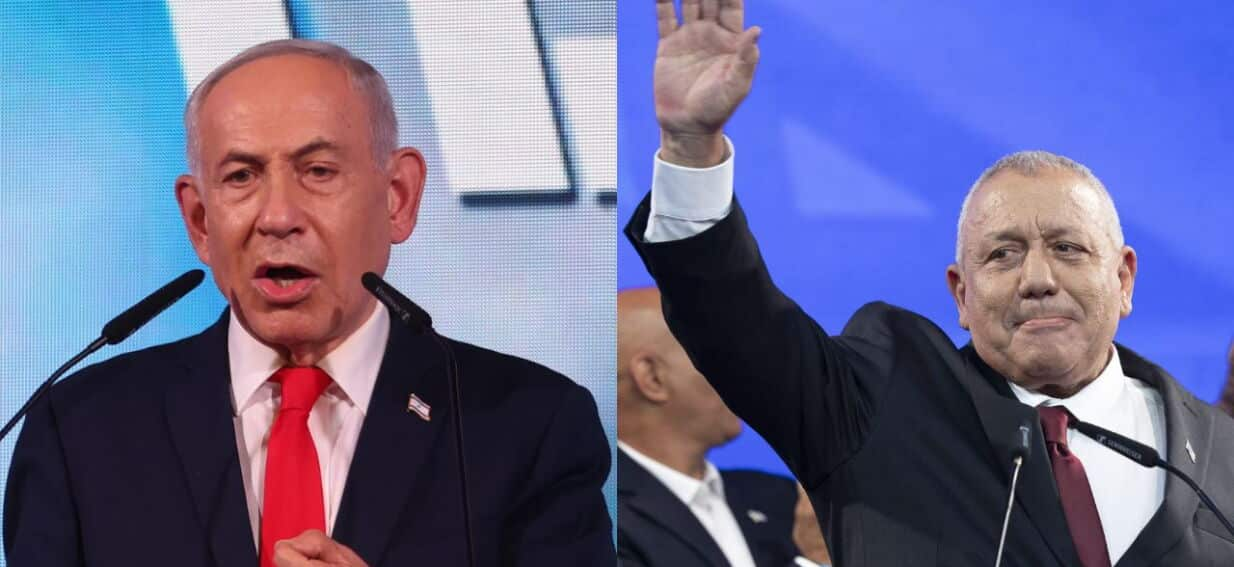
An inconclusive national election in Israel has triggered a fraught search for a governing coalition, thrusting the country’s traditionally sidelined Arab political parties into the unexpected role of kingmakers.
The unresolved ballot has left both major ideological blocs struggling to secure the 61-seat threshold required to command a majority in the 120-seat Knesset, SBS News Top Stories reported. With neither the conservative establishment nor the broad anti-incumbent coalition able to cross the line unassisted, party strategists have been forced to contemplate previously unthinkable cross-aisle alliances.
Fractured Knesset forces historic shifts
The stalemate follows a bitterly contested campaign that underscored deep social and political divisions across the country. Consecutive inconclusive elections have severely strained Israel's parliamentary system, exhausting voters and paralysing long-term domestic policymaking.
Historically, mainstream Zionist parties from both the left and right have avoided formal partnerships with independent Arab factions, while Arab lawmakers have largely declined to participate in ruling coalitions to avoid endorsing government policies regarding the Palestinian territories.
However, the arithmetic of the latest tally has eroded those longstanding conventions. As party leaders scramble for leverage, representatives from the Arab minority—which makes up approximately a fifth of the nation’s populace—suddenly hold the decisive ballots required to tip the balance of power.
Pragmatism eclipses longstanding taboos
The transformation from political outsiders to indispensable brokers reflects a shifting mood within Israel's Arab electorate. Community frustration with surging violent crime, housing shortages, and systemic socio-economic disparity has driven demands for pragmatic political engagement over ideological detachment.
Arab factional leaders have signalled an openness to engaging with either side of the divide, framing potential support around tangible legislative concessions rather than broad geopolitical goals. In exchange for confidence-and-supply agreements or informal parliamentary backing, these parties are demanding substantial funding packages for municipal infrastructure, targeted policing initiatives to combat gang violence, and the repeal or amendment of contentious civic legislation.
According to observers cited in coverage by SBS News Top Stories, this transactional posture marks a dramatic departure from decades of mutual political ostracism, demonstrating an appetite for domestic gains even at the cost of partnering with hardline conservatives.
Unstable foundations for governance
Despite the mathematical viability of an Arab-backed coalition, the path to a functional government remains fraught with immense diplomatic and cultural friction. Potential partners on the Israeli right face fierce resistance from their traditional nationalist bases, where cooperation with non-Zionist factions is widely viewed as an unacceptable compromise.
Conversely, any Arab party lending votes to an administration risks alienating core voters if promised social reforms fail to materialise or if regional tensions flare.
Should negotiations collapse under the weight of these contradictions, the country faces the prospect of yet another snap election. For now, however, the extraordinary electoral deadlock has rewritten the rules of parliamentary engagement, ensuring that the nation’s most marginalised constituency holds the keys to executive power.