
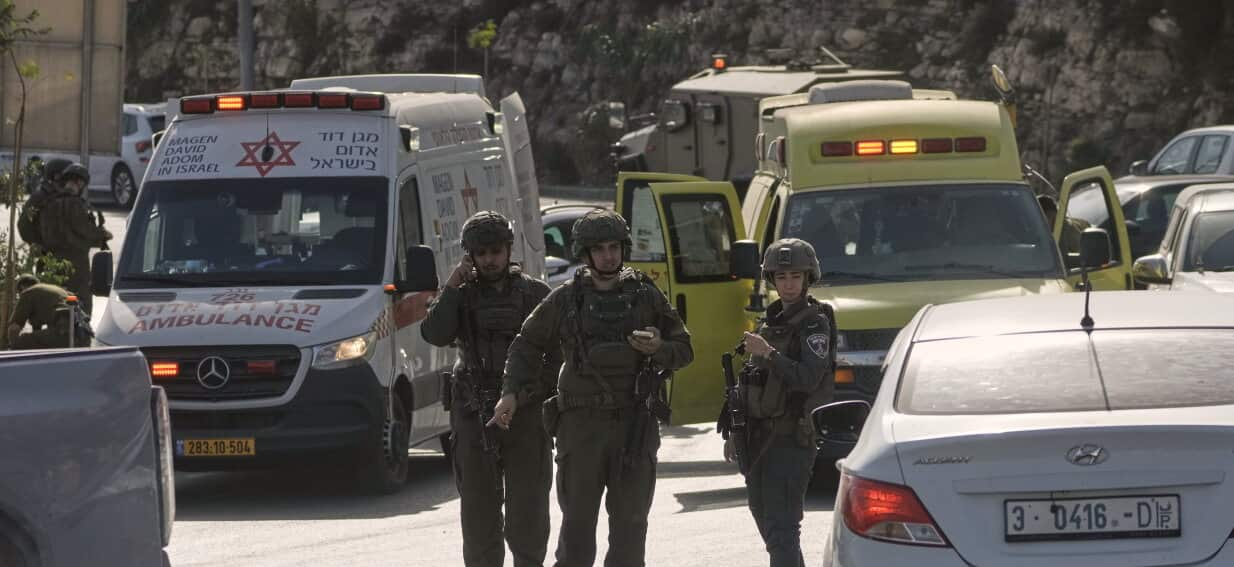
Israel’s military is moving to seal off the occupied West Bank after soldiers shot and killed two men during a confrontation, escalating already volatile tensions across the disputed Palestinian territories.
The swift security clampdown follows an exchange in which the two individuals were intercepted by forces, with SBS News Top Stories reporting that the army is now finalising plans to enforce a comprehensive territorial closure. The directive restricts freedom of movement across several key sectors, freezing civilian traffic and fortifying military access points.
Tightened security across contested checkpoints
Under the prospective measures, border posts and transit corridors connecting the West Bank with Israel and neighbouring districts face near-total shutdown. Movement permits for tens of thousands of Palestinian commuters, many of whom rely on cross-border employment, are expected to be suspended indefinitely as armed personnel establish fortified cordons.
Military authorities frequently enact territorial closures during acute security alerts or amid heightened national friction, citing the necessity to preempt retaliatory violence or prevent armed cells from coordinating operations across municipal divisions. However, the immediate sealing of arterial roads and internal checkpoints routinely isolates surrounding villages, restricting access to emergency services and severing domestic trade links.
Surging friction across the West Bank
The latest fatal encounter adds to a protracted wave of instability that has gripped the West Bank for months, marked by regular military incursions, armed clashes, and intensified operations in urban refugee camps.
According to regional observers and reporting from SBS News Top Stories, security agencies have heightened their domestic readiness, anticipating potential counter-escalations following the deaths of the two suspects. Israeli defence authorities maintain that aggressive preventive posturing remains essential to suppress militant networks operating out of the northern West Bank, particularly around hubs such as Jenin, Tulkarm, and Nablus.
Conversely, humanitarian monitors and Palestinian officials have argued that systemic closures constitute collective punishment, disproportionately harming civilians unconnected to armed activity while compounding the sense of economic disenfranchisement across Palestinian enclaves.
Deepening economic paralysis in regional hubs
The impending closure threatens to inflict immediate strain on an already fragile Palestinian economy, which has suffered severe contraction amid ongoing regional hostilities.
With commercial transit halted, local markets face sudden shortages of essential goods, while farmers and merchants are routinely cut off from regional distribution networks. The prohibition of Palestinian labourers entering Israeli industrial and construction zones is estimated to cost local households millions of dollars each week, placing further strain on welfare infrastructure already stretched to breaking point.
International concern over civilian impacts
The decision to cordon off the territory has drawn renewed scrutiny from international human rights bodies and Western allies, who continue to warn against actions that exacerbate humanitarian distress in the occupied territories.
Canberra has consistently maintained support for a negotiated two-state solution while urging all parties to exercise restraint, safeguard civilian populations, and uphold international humanitarian law. As Israeli forces entrench their presence at perimeter barriers and roadblocks, diplomatic observers warn that sustained lockdowns risk entrenching resentment and triggering further instability across the West Bank's deeply divided landscape.


