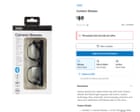
Australia is grappling with a new frontier in privacy concerns after Kmart's Anko-branded smartglasses, capable of covertly recording high-definition video and capturing images, vanished from shelves nationwide. The $89 clear-lens, black-rimmed spectacles, pitched as an affordable alternative to Meta's Ray-Ban smart glasses, have triggered widespread alarm among digital rights advocates, who warn of an impending "privacy nightmare" as individuals face being filmed without their knowledge or consent.
The 'Anko' Phenomenon and Its Rapid Disappearance
The sudden disappearance of the Anko smartglasses from Kmart stores and its online platform has underscored the public's appetite for accessible, discreet recording technology, even as it simultaneously fuels significant apprehension. Retailing at a mere $89, these glasses offer a discreet way to capture surroundings, a feature that has both attracted tech enthusiasts and deeply unsettled privacy experts. The Guardian Australia reported on Monday that the device, which outwardly resembles a standard pair of spectacles, was entirely sold out, signalling a rapid uptake across the country.
Unlike more overt recording devices, the Anko smartglasses present a challenge due to their subtle design. While they are equipped with a small LED indicator light when recording, its inconspicuous nature raises questions about its effectiveness in alerting those being filmed. This lack of obvious signalling is central to the privacy concerns, as it potentially enables users to record individuals in public, and even private, spaces without any clear indication that they are being observed or documented.
Digital Rights Group Sounds Alarm on Covert Surveillance
Digital rights organisations have been swift to condemn the implications of such widespread availability of covert recording devices. An expert quoted by The Guardian Australia highlighted the ease with which these glasses could facilitate non-consensual filming, transforming everyday interactions into potential surveillance opportunities. The core issue revolves around the erosion of personal privacy in public spaces, where individuals generally hold an expectation of not being secretly recorded. The low price point and accessibility of the Kmart glasses exacerbate this, making sophisticated recording technology available to a broad demographic.
Concerns extend beyond mere recording. The potential for misuse includes recording sensitive conversations, documenting private moments, or even facilitating harassment and abuse. While existing laws offer some protection against unlawful surveillance, the ubiquitous nature of these affordable devices presents a significant enforcement challenge. Lawmakers and regulatory bodies may need to re-evaluate current legislation to address the evolving landscape of personal recording technology, particularly as these devices become more sophisticated and less conspicuous.
A Broader Debate on Technology, Consent, and Public Space
This incident at Kmart is not an isolated event but rather a symptom of a larger societal debate surrounding technology, individual privacy, and the concept of consent in public and semi-public spaces. As wearable technology becomes increasingly integrated into daily life, the line between personal use and potential misuse blurs. The Anko smartglasses serve as a stark reminder that innovation, while often beneficial, can also introduce unforeseen ethical dilemmas and challenges to established social norms.
The widespread sale of these glasses prompts crucial questions for retailers and consumers alike. Retailers face scrutiny over the ethical implications of stocking products that could easily be misused for surveillance, while consumers are urged to consider the broader impact of such technology. The incident underscores the urgent need for public education regarding digital privacy, responsible use of recording devices, and the legal ramifications of non-consensual filming. As Australia navigates this new technological terrain, a proactive approach from both policymakers and the public will be essential to safeguard individual rights in an increasingly surveilled world.