
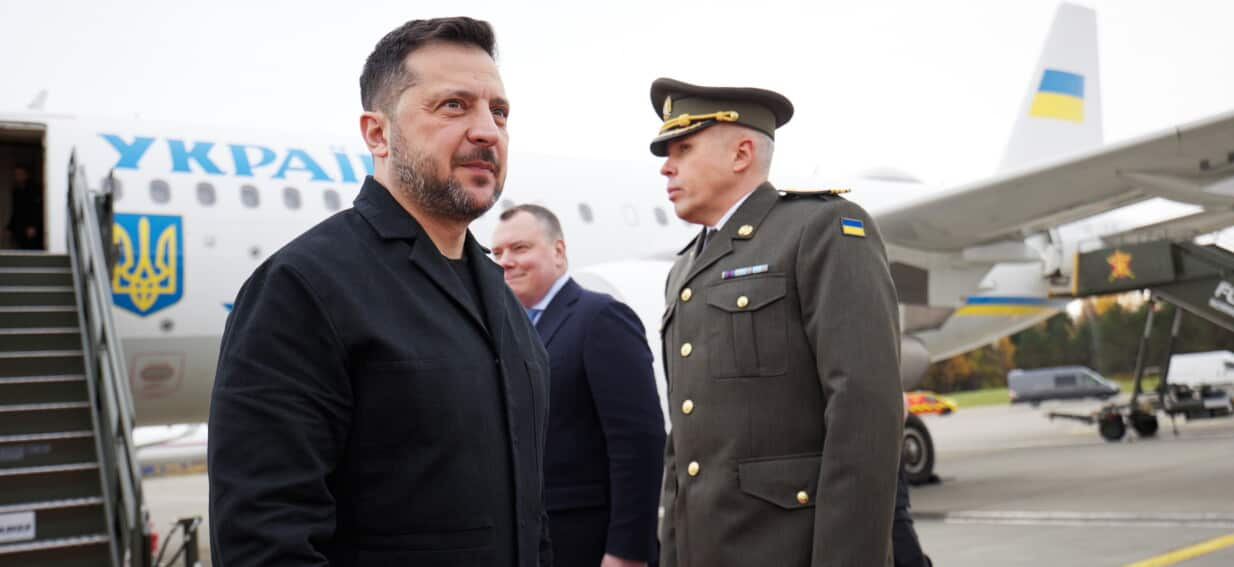
Ukrainian President Volodymyr Zelenskyy has reaffirmed the vital importance of American intelligence assistance while fiercely insisting Kyiv will not be sidelined in negotiations following Donald Trump’s contentious energy pact with Moscow.
The diplomatic balancing act highlights growing unease across Eastern Europe as the White House pursues an unpredictable foreign policy agenda, sparking fears that Ukraine could be forced into a compromised settlement without its full consent.
Fuel pact deepens diplomatic friction
SBS News Top Stories reported that recent moves by the US administration—specifically an arrangement involving Russian diesel supplies—have sharply aggravated friction between Washington and Kyiv. The controversial fuel transaction has raised alarm among European allies, who view any commercial concession to the Kremlin as a weakening of the broader economic blockade imposed after the 2022 full-scale invasion.
For Kyiv, the development strikes at the core of international solidarity. Ukrainian officials have repeatedly warned Western capitals that commercial compromises risk normalising Russian aggression and undermining years of collective diplomatic pressure.
Intelligence lifeline remains critical for Kyiv
Despite the diplomatic turbulence surrounding energy policies, the operational relationship between Washington and Kyiv has not entirely fractured. Mr Zelenskyy made clear that frontline forces continue to rely heavily on the real-time targeting and surveillance data provided by American intelligence agencies.
This tactical information remains essential for intercepting incoming missile barrages and conducting counter-battery strikes across the eastern front. Without it, military analysts warn Ukrainian defences would face immediate and severe vulnerabilities, making an outright rupture with the US administration unthinkable for Kyiv's war cabinet.
Resistance to unilateral peace deals
Nevertheless, the Ukrainian leadership remains resolute that operational dependence will not translate into diplomatic subjugation. Kyiv has reiterated that decisions concerning sovereign Ukrainian territory cannot be brokered over its head in bilateral exchanges between Washington and Moscow.
European capitals have echoed these anxieties, arguing that any enduring peace framework must be anchored in the principles of international law rather than transactional diplomacy. Observers note that excluding Ukraine from preliminary discussions would destabilise NATO's eastern flank and set a dangerous precedent for international borders.
Global implications resonate in Canberra
The shifting dynamics in Washington are also being monitored closely in Canberra, where Australian strategic planners are assessing the broader ramifications for global security. Having contributed more than $1 billion in military and humanitarian aid to Ukraine since the war began, Australia retains a substantial stake in the preservation of the rules-based international order.
As the White House tests alternative diplomatic routes to conclude the war, the challenge for middle powers—including Australia—remains holding the line against forced territorial concessions. For Mr Zelenskyy, the message to Washington is unambiguous: partnership on the battlefield cannot be decoupled from respect at the negotiating table.


