Kyiv awoke to a terrifying symphony of explosions this morning as a major Russian missile attack, reportedly without early warning, struck the Ukrainian capital. The unexpected assault has ignited renewed anxieties about the efficacy of intelligence-sharing with Western allies, even as the United States swiftly moved to quash suggestions of any suspension.
US Secretary of State Marco Rubio categorically denied that intelligence exchanges with Ukraine had been halted, directly refuting claims circulating amidst the chaotic aftermath of the strikes. The assurance comes at a critical juncture, with global diplomatic efforts for peace appearing increasingly fractured and Russia attempting to seize the initiative on the international stage.
Putin’s Summit Play Rattles Diplomatic Cables
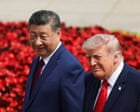
Compounding the geopolitical tension, Russian President Vladimir Putin has floated a provocative proposal for a summit involving himself, Chinese President Xi Jinping, and former US President Donald Trump to discuss the ongoing conflict. The unusual overture, if it were to proceed, would bypass current US President Joe Biden and could profoundly reshape the global diplomatic landscape. Analysts suggest the move is a calculated attempt to exploit perceived divisions within the Western alliance and elevate Russia’s standing, particularly given Trump’s past rhetoric regarding NATO and Ukraine.
The proposal, reported widely by international media including ABC News Australia, signals Moscow's desire for a direct negotiation with key global players, potentially seeking to legitimise its position and sideline Kyiv from direct peace talks. The prospect of Trump, a figure known for his unpredictable foreign policy, re-entering the diplomatic arena as a principal negotiator on Ukraine's future is likely to send shivers down the spines of many European leaders.
No Early Warning Amidst Escalation Fears
The absence of early warning for today's missile barrage on Kyiv is particularly concerning for Ukrainian authorities and their allies. Ukraine has, until now, largely relied on intelligence provided by partners like the United States to anticipate and mitigate such attacks, allowing for civilian evacuations and activation of air defences. The sudden, unannounced nature of this morning’s strikes suggests either a significant intelligence failure, an increased sophistication in Russian targeting, or a deliberate Russian strategy to overwhelm Ukrainian defences without forewarning.
The human and infrastructural toll of the latest attack is still being assessed, with emergency services working to rescue survivors and clear debris across multiple districts of Kyiv. While the full extent of casualties and damage remains unclear, the psychological impact of a surprise assault on the capital is profound, reinforcing the brutal reality of the ongoing conflict for Ukrainian citizens.
Australian Dollars for Kyiv's Defence
Back home, the renewed violence underscores the ongoing financial commitment from Australia. The Australian government has pledged hundreds of millions of Australian dollars in military and humanitarian aid to Ukraine since the full-scale invasion began, with recent packages including drones, ammunition, and armoured vehicles. Each new escalation of the conflict places further pressure on international donors to maintain and increase their support, ensuring Kyiv has the resources to defend itself and rebuild.
The proposed summit and the fresh missile onslaught paint a bleak picture for a swift resolution. As the conflict grinds on, the international community watches nervously, weighing the implications of a potentially fractured Western response against Russia's audacious diplomatic manoeuvres.