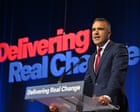
The Australian Labor Party has skillfully sidestepped a contentious public confrontation over the Israel-Palestine conflict at its national conference, with a significant push led by senior MP Ed Husic to formally recognise claims of genocide in Gaza ultimately failing to garner sufficient support.
The strategic withdrawal of backing from key union factions for Husic's motion has cleared the path for a carefully choreographed display of party unity. This development means the party's platform on the Middle East, a historically fraught area for Labor, will be updated without the internal fireworks many had anticipated.
Unity Takes Precedent Over Division
Guardian Australian politics reported that the impending failure of the Husic-led initiative will allow Labor to present a united front on the final day of its national conference. Instead of a potentially damaging internal debate, the party is expected to witness a symbolic demonstration of consensus. This will likely involve MPs Josh Burns, who is Jewish, and Basem Abdo, the son of Palestinian refugees, jointly endorsing an updated foreign policy stance. This collaborative approach aims to underscore the party's desire for a balanced and nuanced position on the complex geopolitical situation.
The revised platform is anticipated to reflect the Albanese government's current diplomatic posture concerning Israel, Palestine, and the militant group Hamas. The precise wording of these alterations remains under wraps, but observers expect a carefully calibrated statement designed to appease diverse viewpoints within the broad church of the Labor party, from its left-leaning factions to more centrist elements.
The Husic Initiative and Its Retreat
Ed Husic, a prominent figure within the Labor government, had been a vocal proponent of formal recognition of genocide claims in Gaza by the party. His advocacy had garnered support from some progressive wings of the party, reflecting a growing sentiment among certain sections of the Australian public regarding the ongoing conflict. However, the political calculus within Labor’s power structures ultimately favoured a more harmonised approach.
The decision by powerful union blocs to withdraw their support for Husic's motion was a pivotal moment. Unions wield significant influence within the Labor Party, and their unified stance often dictates the direction of internal policy debates. This withdrawal effectively neutralised the threat of a divisive floor fight, allowing party leadership to manage the narrative more effectively. The reasons behind the unions' change of heart are complex but likely include a desire to avoid an internal schism that could distract from other key policy announcements and present an image of disunity to the electorate.
Crafting Labor's Evolving Stance
Labor's historical relationship with both Israeli and Palestinian causes has always been multifaceted. Traditionally, the party has advocated for a two-state solution, recognising the legitimate aspirations of both peoples. However, the recent escalation of violence and the humanitarian crisis in Gaza have intensified calls from some within the party and the broader community for a stronger, more condemnatory stance regarding Israeli actions.
The updated foreign policy platform will seek to navigate these competing pressures. It is expected to reiterate Labor's commitment to international law and human rights, while also acknowledging the security concerns of Israel. The careful balancing act underscores the diplomatic tightrope the Albanese government walks on this issue, aiming to maintain good relations with international allies while responding to domestic and global humanitarian concerns. The wording will be crucial in defining Labor's posture on one of the world's most enduring conflicts, attempting to project both moral conviction and pragmatic diplomacy on the international stage.