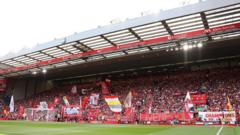
Liverpool FC has made an emphatic statement against the illicit trade of football tickets, serving hundreds of lifetime bans to individuals involved in scalping. The club's aggressive crackdown follows a significant police operation that saw more than AUD$2.3 million in assets, directly linked to the illegal reselling of match tickets, seized by authorities.
The unprecedented move by the Merseyside giant underscores a growing determination within English football to combat the pervasive issue of ticket touting, which has long plagued genuine fans and enriched organised criminals. BBC Sport initially reported on the extensive measures taken by the club and law enforcement agencies.
Operation Red Card Nets Millions
The financial seizure, totalling over £1.2 million (approximately AUD$2.3 million), represents a significant blow to the organised networks that profit from exploiting fan demand. Police investigations, conducted in conjunction with intelligence provided by Liverpool FC, targeted individuals and groups systematically buying up tickets – often using multiple accounts and sophisticated online bots – only to resell them at extortionate prices on secondary markets.
Sources close to the investigation indicate that the seized assets include luxury vehicles, high-value electronics, and substantial sums of cash, all believed to be proceeds from the illegal ticket trade. This operation highlights the lucrative nature of ticket touting, which extends far beyond casual reselling into sophisticated criminal enterprises.
Reds Fans Reclaim Their Seats
The primary motivation behind Liverpool's stringent actions is to ensure that genuine supporters have fair access to matches at Anfield. For years, fans have voiced frustration about being priced out by touts, with tickets for high-demand fixtures often appearing on unofficial platforms for many multiples of their face value. The club’s lifetime bans mean those individuals will never again be able to attend a Liverpool match, sending a clear message that such behaviour will not be tolerated.
Club officials have reportedly been working diligently to identify those involved, utilising advanced data analysis and intelligence gathering from fan complaints and suspicious online activity. The aim is to reclaim seats for loyal supporters and break the cycle of exploitation that has long blighted the match-day experience.
Broader Implications for Football
While Liverpool has led this particular offensive, the scale of the operation and the financial penalties levied are expected to send reverberations across English and potentially European football. Other major clubs, also grappling with persistent ticket touting issues, will be closely observing the effectiveness of Liverpool's approach. This crackdown could set a new precedent for how clubs tackle illegal resales, potentially prompting similar initiatives elsewhere.
Expert analysis suggests that a coordinated effort across all stakeholder groups – including clubs, police, and ticketing platforms – is essential to truly dismantle the sophisticated networks behind illegal touting. The confiscation of assets alongside lifetime bans represents a multi-pronged attack designed to deter future illicit activity and protect the integrity of match-day ticketing. Liverpool FC’s actions serve as a stark reminder that the fight against ticket scalping is not just about fairness to fans, but also about disrupting criminal activity that undermines the sport.