
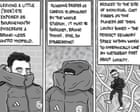
Manchester United’s perennial governance crisis has descended into familiar farce once more, prompting scrutiny across English football as interim manager Michael Carrick faces an imminent and unceremonious Old Trafford exit.
Satirising Old Trafford’s Perpetual Turmoil
The ongoing saga has moved beyond mere sporting disappointment into a broader cultural spectacle. As Guardian Australia Sport reported in its assessment of the club’s unfolding drama, the persistent cycling through coaching staff and the public airing of boardroom grievances has reduced one of the globe's wealthiest sporting institutions to a recurring punchline.
For Australian followers of the Premier League, accustomed to watching high-stakes domestic and European fixtures in the early hours, the collapse of structural order at the Manchester powerhouse has become wearisomely predictable. What was once heralded as an elite environment built on continuity and ruthless execution now operates under a cloud of reactive decision-making and dressing-room leaks.
Carrick Caught in the Theatre of the Absurd
Former midfielder Michael Carrick, thrust into the breach during another transitional period, finds himself navigating an institution seemingly incapable of committing to long-term direction. Observers note that Carrick’s expected departure marks yet another sacrificial chapter in United’s modern history, where caretaker figures absorb the fallout of systemic executive missteps before being discarded.
The tactical drift on the pitch has mirrored the vacillation in the executive suite. While rival clubs such as Manchester City and Arsenal have entrenched coherent, multi-year recruitment and tactical philosophies, United remain tethered to nostalgic appointments and patchwork managerial solutions. Carrick, despite his decorated playing career and understated demeanour, has been left holding the reins of an unbalanced squad burdened by mismatched tactical identities.
Boardroom Politics and Airing Dirty Laundry
The scrutiny highlights how readily the club’s internal divisions spill into the open. With external commentary frequently lampooning the disconnect between commercial revenue and sporting competency, the narrative around the Theatre of Dreams increasingly centres on boardroom factionalism rather than footballing triumph.
Decisions surrounding executive appointments and player contracts have frequently backfired, leaving the football department saddled with astronomical wage bills and misaligned talent. Even with new minority investment and boardroom reshaping intended to arrest the institutional slide, the historical baggage of the post-Ferguson era continues to dictate day-to-day operations.
The Search for Cohesion Beyond the Punchlines
As the club prepares for its next appointment, the fundamental challenge remains cultural rather than purely managerial. Until the decision-makers establish clear reporting lines and insulating boundaries between football strategy and corporate branding, interim solutions like Carrick will continue to bear the brunt of deeper administrative decay.
For a global supporter base—including tens of thousands of Australian diehards—the spectacle has ceased to amuse. Unless Manchester United address their systemic rot, the cycle of interim managers, leaked grievances, and satirical post-mortems will remain the defining feature of the club's modern identity.


