Lawyers representing the Marist Brothers have been ordered to explain advice urging the Catholic order to conceal a serial abuser from legal scrutiny, headlining a pivotal day of national legal and civic developments.
The disclosures lead a morning marked by sharp institutional oversight, high-profile criminal appeal decisions in Melbourne, and long-awaited civic transport milestones across Sydney.
Scrutiny over Marist Brothers legal strategy
Legal counsel acting on behalf of the Marist Brothers have been subpoenaed to justify historical advice recommending that a serial child offender be kept out of formal court processes, The Guardian Australia reported.
According to a previously confidential document, external practitioners advised the Catholic order against allowing the perpetrator into "the legal arena". The advice suggested the offender was too honest and risked implicating senior church figures under adversarial cross-examination. Legal representatives must now formally explain the ethical rationale underpinning that strategy, renewing focus on historical church litigation practices. Advocates for survivors have long demanded transparency regarding the legal manoeuvres utilised by institutional bodies during past civil claims.
Erin Patterson faces decisive appeal ruling
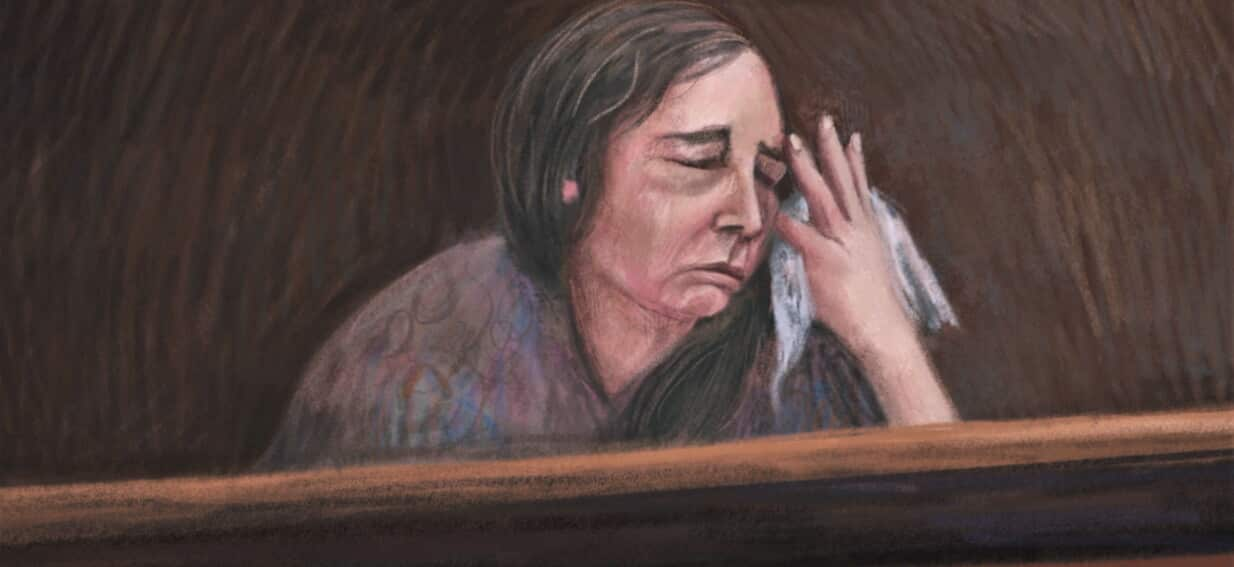
In Melbourne, Victoria’s Court of Appeal will hand down its decision today on whether Erin Patterson will face a fresh trial or a modified prison sentence over the fatal South Gippsland mushroom poisonings.
Judges in Victoria's superior court are ruling on twin appeals arising from Patterson’s high-profile triple murder convictions. The judgment marks a critical juncture in the protracted legal saga, determining whether technical grounds warrant a complete retrial or if her custodial term will be revised. The case has commanded extensive public interest across Australia since the deaths of three relatives following a family lunch.
Commuters board first Sydenham-Bankstown metro services
Sydney’s public transport network reached a major milestone this morning as the Sydenham to Bankstown metro conversion finally accepted its first fare-paying passengers.
Hundreds of rail enthusiasts joined early morning commuters on the maiden services, ending more than two years of replacement bus disruptions across the city's south-west. The driverless line provides high-frequency, turn-up-and-go services directly connecting local stations to the central business district. Transport authorities welcomed the smooth rollout, describing it as a transformative upgrade for commuters along the heavily patronised corridor. The launch ends months of technical commissioning and safety testing, establishing a crucial link in Sydney’s expanding automated rail network.
Albanese shields frontline spending amid inflation pressures
In Canberra, Prime Minister Anthony Albanese has pledged to protect health, education, and frontline essential services from major cuts in the government's upcoming midyear budget update.
Mr Albanese conceded that targeted fiscal restraint remained vital as Labor battles persistent inflation, but insisted core social safety nets would be shielded. Meanwhile, researchers have commenced the recruitment of 100,000 young Australians for the country's largest intergenerational health and ageing study, aimed at combating rising youth cancer rates and chronic mental illness. The political environment in the capital remains tense following reports the government extended an unsolicited staff offer to One Nation MP David Farley. One Nation labelled the staffing offer an improper attempt to secure crossbench leverage using public funds, a charge the government has firmly dismissed.