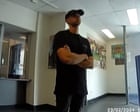
The former partner of NSW upper house MP Mark Latham has been found guilty of unlawfully recording an intimate image after photographing a private photograph stored on his personal computer.
Nathalie Matthews, who had been residing with the independent member of the Legislative Council at the time of the offence, was convicted following legal proceedings in New South Wales, ABC News NSW reported.
Laptop image sparked confrontation
According to the broadcaster's reporting, the court established that Matthews accessed a laptop utilised by Mr Latham while the pair were cohabiting. During that period, she took a photograph of an intimate selfie that was stored on the computer.
The incident came to light after Matthews subsequently messaged Mr Latham regarding the discovery, asking whether he had "photos of other women".
The case centred on the capture of the private image without the subject's consent, bringing the conduct within the scope of state statutes governing image-based abuse and intimate privacy violations.
Legal threshold under NSW privacy statutes
New South Wales law carries strict provisions against the non-consensual creation, distribution, or threat of distribution of intimate images under the Crimes Act 1900. Enacted to combat digital privacy breaches and non-consensual sharing of explicit material, the legislative regime imposes criminal liability on individuals who intentionally record intimate images without explicit authorisation.
In legal assessments regarding such offences, magistrates must weigh whether an individual held a reasonable expectation of privacy and whether consent was explicitly provided. Under the statutory definitions, an image remains classified as intimate if it depicts a person engaged in private acts, in a state of undress, or in circumstances where exposure was not intended for broader circulation.
Legal observers note that domestic settings frequently complicate evidentiary proceedings, yet the courts have consistently affirmed that cohabitation does not diminish an individual's right to digital and personal privacy.
Crossbench figure drawn into legal proceedings
The conviction places a deeply personal dispute involving one of state politics' most prominent crossbench figures into the public record.
Mr Latham, who entered the NSW Legislative Council in 2019 following an earlier federal political career that included leading the federal Labor Party to the 2004 election, currently sits as an independent parliamentarian. He parted ways with Pauline Hanson's One Nation last year following internal disputes within the state branch.
Throughout his lengthy career in public life, the parliamentarian has cultivated a reputation as a combative polemicist, frequently clashing with political opponents over policy and cultural issues. The court proceedings, however, remained tightly focused on the specific evidentiary merits of the digital privacy breach rather than parliamentary matters.
Sentencing and broader ramifications
The finding of guilt underscores the ongoing judicial enforcement of non-consensual image laws across the state, which have seen police increasingly pursue charges when digital boundaries are breached within domestic relationships.
Offences of this nature can attract penalties ranging from conditional release orders and community corrections directives through to custodial sentences of up to three years, alongside potential statutory financial penalties.
Matthews is expected to return to court for sentencing at a later date, where legal representatives will present submissions regarding mitigating factors and the ultimate penalty to be imposed.