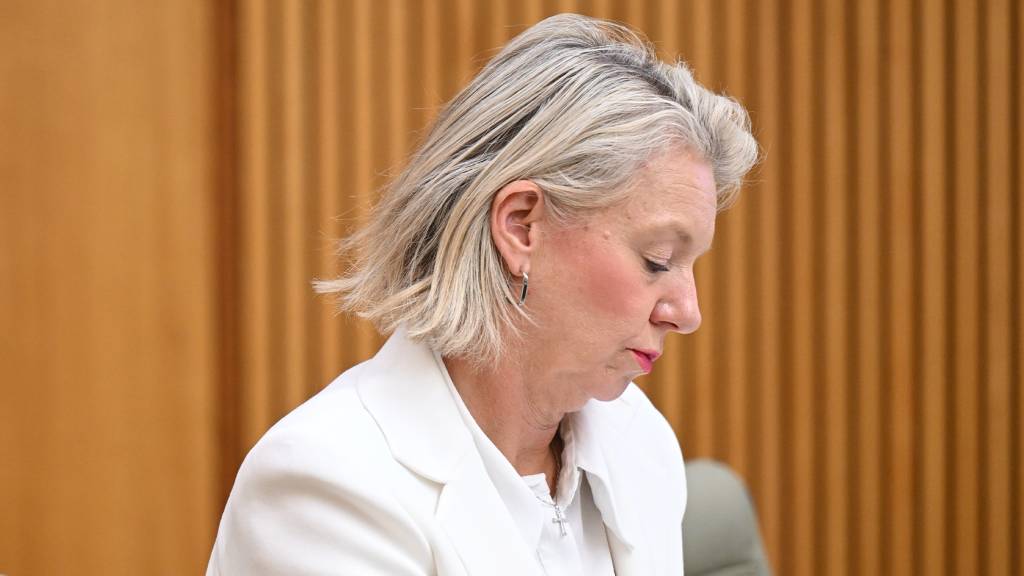
National Party Senator Bridget McKenzie appears to be orchestrating a strategic pivot towards populist politics, drawing conspicuous comparisons to firebrand One Nation leader Pauline Hanson. This shift, highlighted by independent news outlet Crikey, suggests McKenzie is positioning herself to tap into a similar vein of voter frustration and nationalist sentiment.
Embracing the Outsider Persona
Crikey’s analysis posits that Senator McKenzie is consciously cultivating an ‘outsider’ image, despite her established position within a major federal party. This involves a rhetorical style often characterised by plain-speaking, a willingness to confront perceived elites, and a focus on issues that resonate with a segment of the population feeling left behind by mainstream politics. Such an approach echoes the very essence of Pauline Hanson’s enduring appeal – a direct, unvarnished communication style that bypasses traditional political niceties and directly addresses voter grievances. This strategy is particularly potent in regional and rural electorates, where a sense of alienation from Canberra is often pronounced.
Echoes of Protectionism and National Interest
One of the key areas where McKenzie's strategy intersects with Hanson's is in the advocacy for protectionist policies and a strong emphasis on national interest. While not explicitly mirroring One Nation's more extreme anti-immigration rhetoric, McKenzie has increasingly championed policies aimed at safeguarding Australian industries and jobs, often framing debates in terms of ‘us’ versus external pressures. This includes vocal opposition to certain trade agreements or advocating for greater local content requirements in government contracts. Crikey noted that this focus on national sovereignty and economic protectionism has long been a bedrock of Hanson's platform, successfully mobilising voters wary of globalisation and perceived threats to Australian identity and prosperity.
The Cultural Warrior Stance
Beyond economic policy, Senator McKenzie has also reportedly engaged in what could be described as ‘cultural warrior’ tactics, wading into debates on social issues with a decidedly conservative bent. This involves defending traditional values, critiquing what she terms ‘woke’ agendas, and championing individual freedoms against perceived overreach from progressive movements. This stance is a hallmark of Pauline Hanson’s political brand, which has consistently sought to position itself as a defender of ‘common sense’ against what it portrays as an out-of-touch cultural elite. For McKenzie, adopting this approach could serve to solidify her appeal among a conservative base that feels increasingly marginalised by evolving social norms and public discourse.
Calculated Risk or Genuine Shift?
Whether this strategic alignment with Hanson-esque populism is a calculated risk or a genuine ideological shift for Senator McKenzie remains a point of speculation. Given the Nationals’ historical struggle to maintain its voter base against challenges from both the far-right and centrist parties, a move to reclaim disaffected voters through populist messaging could be seen as a pragmatic, if audacious, political gambit. Crikey suggested that the objective might be to prevent further erosion of the Nationals' base to parties like One Nation, effectively co-opting their messaging. However, such a strategy carries inherent risks, potentially alienating more moderate voters and further polarising the political landscape. The coming federal election will undoubtedly test the efficacy of this Hanson-adjacent political posture.