
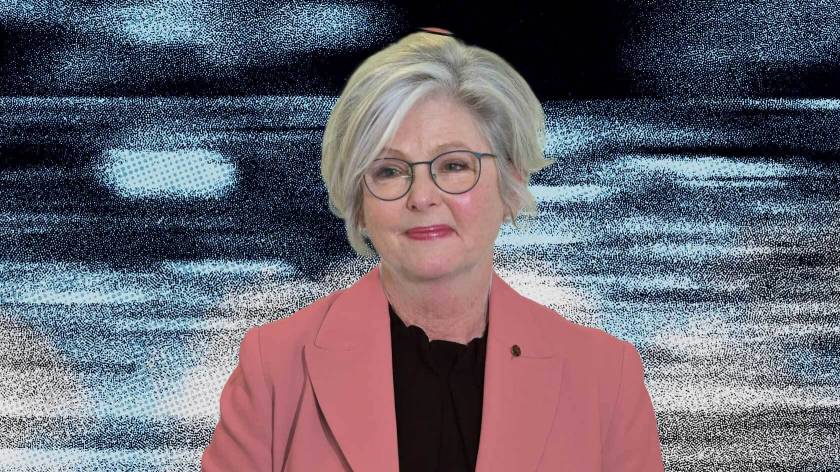
The federal press gallery is facing fresh scrutiny after media commentators rushed to attribute partisan blame over an alleged incident targeting independent MP Helen Haines before police had established key facts.
The premature publication of opinion commentary has drawn sharp criticism, with independent news website Crikey reporting that national editorial platforms sought to cast an alleged aggressor as an avatar for broader political movements well ahead of confirmed findings.
Weaponising violence before the facts emerge
According to Crikey's analysis, the rush to diagnose the ideological motives behind hostility towards Dr Haines reflects an increasingly volatile media cycle where narrative building takes precedence over verified facts. By framing an alleged individual perpetrator as the natural product of a specific political cohort, commentators risk misinforming the public while inflaming an already tense federal landscape.
Media ethics experts have long warned that instant analyses of alleged security incidents can prejudice ongoing police investigations and distort public understanding. When commentators conflate the actions of an isolated individual with entire political movements, public discourse suffers, leaving voters polarised on false premises.
The dangers of political shorthand in the crosshairs
The phenomenon highlighted by Crikey speaks to a broader tendency across corporate commentary to reduce complex criminal or security confrontations into convenient partisan cudgels. Rather than waiting for law enforcement agencies to interview suspects, assess mental health factors, or identify formal motivations, opinion pieces are frequently drafted within hours, retrofitting incidents into pre-existing culture-war templates.
This practice not only muddies accountability but actively elevates fringe actors, giving alleged offenders an ideological platform they may never have sought or earned. By treating an alleged attacker as representative of a wider movement, commentary risks radicalising public debate and inviting retaliatory political rhetoric.
Rising hostility confronts independent parliamentarians
The incident involving Dr Haines, the federal member for Indi, lands amid documented concerns regarding the safety and security of Australian politicians, particularly women and independent MPs serving regional constituencies. Crossbench parliamentarians often operate with smaller constituency teams and without the extensive protective infrastructure typically afforded to major party leaders.
Independent representatives have previously highlighted an uptick in abusive correspondence, aggressive town-hall disruptions, and direct confrontations at community events. However, community leaders caution that weaponising these genuine safety concerns for editorial point-scoring does little to enhance MP protection or deter volatile behaviour.
Editorial responsibility tested in high-stakes climate
The scrutiny over commentary surrounding the member for Indi underscores the delicate balance editors must navigate between immediate analysis and basic factual rigour. With public trust in traditional news institutions under pressure, the rush to publish unverified assumptions threatens to further erode confidence in political reporting.
As parliamentary security protocols remain under continuous review in Canberra, the critique presented by Crikey serves as a timely caution for the press pack: an editorial rush to judgment helps nobody, least of all the politicians facing the real-world consequences of political hostility.


