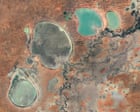
Water volumes across western New South Wales’ Menindee Lakes have plunged to their lowest level in five years, forcing state authorities to trigger upstream extraction restrictions amid mounting fears of ecological collapse.
Combined storage across the vital ephemeral lake system fell below 480 gigalitres earlier this month, marking the first time water held at the site has breached that threshold since 2021, Guardian NSW politics reported. The sharp depletion has prompted water managers to step in to protect essential supplies for downstream communities.
Storage levels slip below critical threshold
Under intergovernmental operating rules for the Murray-Darling Basin, the 480-gigalitre mark serves as a crucial operational benchmark. Once volumes drop beneath this line, operational control of the lakes reverts from the Murray-Darling Basin Authority back to New South Wales authorities, allowing the state to prioritise local needs, critical town supply, and river health.
The rapid retreat of water follows prolonged periods of dry conditions across key catchment areas in northern NSW and southern Queensland, coupled with elevated operational releases made earlier in the cycle. Local monitoring networks indicate several connecting channels are now contracting into stagnant pools, reducing the flow required to flush organic matter through the Darling-Baaka system.
Summer heat threatens riverine ecology
Environmental scientists and river advocates warn that declining storage leaves aquatic life severely vulnerable to sudden degradation as summer temperatures climb across the state’s far west.
In warm, low-flow conditions, thermal stratification can rapidly accelerate algal blooms. When those blooms collapse, or when sudden storms wash organic matter into shallow water, dissolved oxygen levels plunge precipitously. Experts warn that native fish populations—including golden perch, silver perch, and iconic Murray cod—face an acute risk of hypoxia.
The region remains haunted by previous catastrophes. Mass fish death events in the summer of 2018–19 and again in early 2023 saw millions of native fish perish across stretches of the river near Menindee, leaving carcasses carpeting the water for kilometres and devastating regional communities.
Upstream limits imposed to shield regional supply
To arrest further declines and secure basic domestic and stock rights, the NSW government has introduced temporary curbs on upstream access, halting certain supplementary and floodplain harvesting allowances until downstream conditions stabilise.
These interventions aim to preserve inflows from the Barwon-Darling system, ensuring communities such as Menindee, Pooncarie, and the wider Broken Hill supply pipeline retain potable reserves. However, the restrictions underscore ongoing tensions along the northern basin, where downstream pastoralists and Indigenous traditional owners frequently argue that intensive upstream irrigation compounds low-flow vulnerabilities during dry phases.
Basin policy faces fierce seasonal test
The unfolding crisis arrives at a sensitive moment for the broader Murray-Darling Basin Plan, as federal and state governments attempt to navigate water recovery targets and contentious buyback schemes.
While water managers maintain that current reserves remain sufficient for critical human needs in the immediate term, authorities acknowledge that managing environmental volatility across the sprawling lakes requires vigilant oversight. With heatwave conditions forecast across the interior over the coming months, the health of the lower Darling hangs once again in delicate balance.