
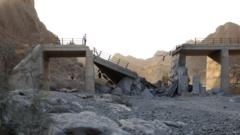
The Middle East remains a powder keg of geopolitical tension this week as US forces continued their eighth consecutive night of strikes against Iranian-backed militias and assets across the region. The sustained aerial bombardment, primarily targeting sites in Syria and Iraq, comes in direct retaliation for a drone attack that killed two American service members and injured dozens more stationed in Jordan.
Simultaneously, Iran has reportedly escalated its own aggressive posture, with state media claiming drone attacks were launched at US military installations in Kuwait, further raising fears of a broader, more devastating regional conflict. The escalating hostilities represent a dangerous intensification of animosity that risks drawing in other international players and destabilising global oil markets.
Retaliatory Strikes Intensify
The most recent wave of US military action, confirmed by the Pentagon, has seen fighter jets and drones unleash precision-guided munitions on a range of facilities. These targets reportedly include command and control centres, weapons storage depots, and training grounds utilised by various Iranian-backed factions. While the White House has maintained these strikes are intended to deter future aggression and degrade the capabilities of hostile groups, critics warn they risk pushing Iran to react with even greater force.
BBC World reported that the US military response has been calibrated to avoid direct confrontation with Iranian regular forces, yet the sheer scale and duration of the campaign indicate a significant shift in Washington's approach to Tehran's regional proxies. The strikes are a stark reminder of the deadly consequences of the ongoing shadow war between the two nations, which has seen regional proxies engage in skirmishes across multiple fronts including Iraq, Syria, Lebanon, and Yemen.
Iran's Counter-Measures and Regional Ripple Effects
Adding another layer of complexity to the volatile situation, Iranian state media reported its own drone attacks on US military positions in Kuwait. While details remain scant and independent verification is ongoing, such an action, if confirmed, would mark a significant escalation, directly challenging US interests in a relatively stable Gulf nation. Kuwait, a key strategic ally for the US, has long hosted American troops, and any attack on its soil carries substantial implications for regional security.
The broader ripple effects of these escalating hostilities are already being felt. Global oil prices have seen modest fluctuations, with analysts closely monitoring the Strait of Hormuz, a critical chokepoint for international energy supplies. A significant disruption in this waterway, perhaps due to naval skirmishes, could send crude oil prices soaring, impacting petrol prices for Australian motorists and contributing to inflationary pressures in the struggling global economy.
Australia's Diplomatic Tightrope Walk
Closer to home, the Australian government is walking a diplomatic tightrope. Foreign Minister Penny Wong has reiterated calls for de-escalation and restraint from all parties, emphasising the need to protect innocent lives and avoid a wider conflict. Australia has a vested interest in the stability of the Middle East, not only due to its strategic alliances but also because of the significant Australian diaspora in the region and trade relationships, particularly concerning energy imports.
Local think tanks and foreign policy experts have expressed profound concern over the escalating violence. Commentators from the Lowy Institute note that while Australia is not directly involved in the conflict, the potential for a wider conflagration poses risks to global trade routes and the international rules-based order that underpins Australia's security and prosperity. The ongoing strife serves as a grim reminder of the interconnectedness of global security, even as Australia grapples with its own domestic economic challenges and geopolitical considerations in the Indo-Pacific.
The situation remains highly fluid, with both the US and Iran seemingly committed to their respective positions, leaving the international community to hope for a diplomatic off-ramp before the regional tinderbox ignites into a full-blown war.