
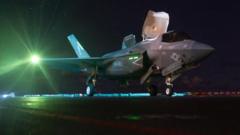
The volatile Middle East stands on the brink of an even wider conflict following explosive overnight developments, as former US President Donald Trump confirmed a series of retaliatory American airstrikes against Iran. The strikes, which Trump declared were carried out in “honour” of slain US soldiers, have dramatically escalated tensions and drawn immediate counter-responses from Tehran.
The audacious US assault comes after a period of heightened regional instability and follows what American intelligence sources described as Iranian-backed aggression. While specifics of the US targets remain closely guarded by the Pentagon, initial analyses suggest critical military infrastructure within Iran was hit.
Tehran's Swift and Deadly Reprisal
In a swift and ominous reprisal, Iran has reportedly launched its own wave of attacks, targeting US interests and allies across the region. BBC World reported that Iranian forces had unleashed strikes in both Syria and Jordan, nations where the US maintains significant military presence and strategic partnerships. Details surrounding potential casualties or comprehensive damage from these Iranian counter-attacks are still emerging, but early reports indicate a deliberate targeting of American-affiliated operations.
The global energy market is already feeling the tremors, with crude oil prices seeing an immediate spike. Australian motorists could soon face higher prices at the bowser, as analysts predict a sustained upward trend if the conflict shows no signs of de-escalation. Every Australian dollar spent on imported fuel will be hit harder as geopolitical risk premiums rise.
Strait of Hormuz: A Flammable Flashpoint
Further compounding the crisis are alarming reports of maritime incidents in the strategically vital Strait of Hormuz. BBC World indicated that at least two ships had reportedly exploded within the narrow waterway, a critical choke point for a significant portion of the world's oil supply. While attribution remains unconfirmed, the timing of these incidents amidst the escalating US-Iran conflict is deeply concerning.
The Strait of Hormuz is a geopolitical tinderbox, through which roughly one-fifth of the world's total oil production passes. Any disruption here sends immediate shockwaves through international markets, posing a direct threat to global economic stability, including Australia's trade routes and energy security. The potential for a wider naval confrontation in the Gulf is now a very real and terrifying prospect.
International Condemnation and Calls for Restraint
World leaders have been quick to react, with many issuing urgent calls for de-escalation and restraint from all parties. The United Nations Security Council is expected to convene an emergency session to address the rapidly deteriorating situation. Australia's Department of Foreign Affairs and Trade (DFAT) has updated its travel advice for the Middle East, urging Australian citizens to exercise extreme caution and consider departing certain areas.
Experts note that President Trump, known for his unconventional foreign policy, has once again pursued a confrontational approach. His declaration of striking in “honour” of American soldiers underscores a determination to project US military might, but at the risk of igniting a broader regional conflagration that many fear could quickly spiral out of control. The coming days will be crucial in determining whether diplomacy can avert a catastrophic escalation.