
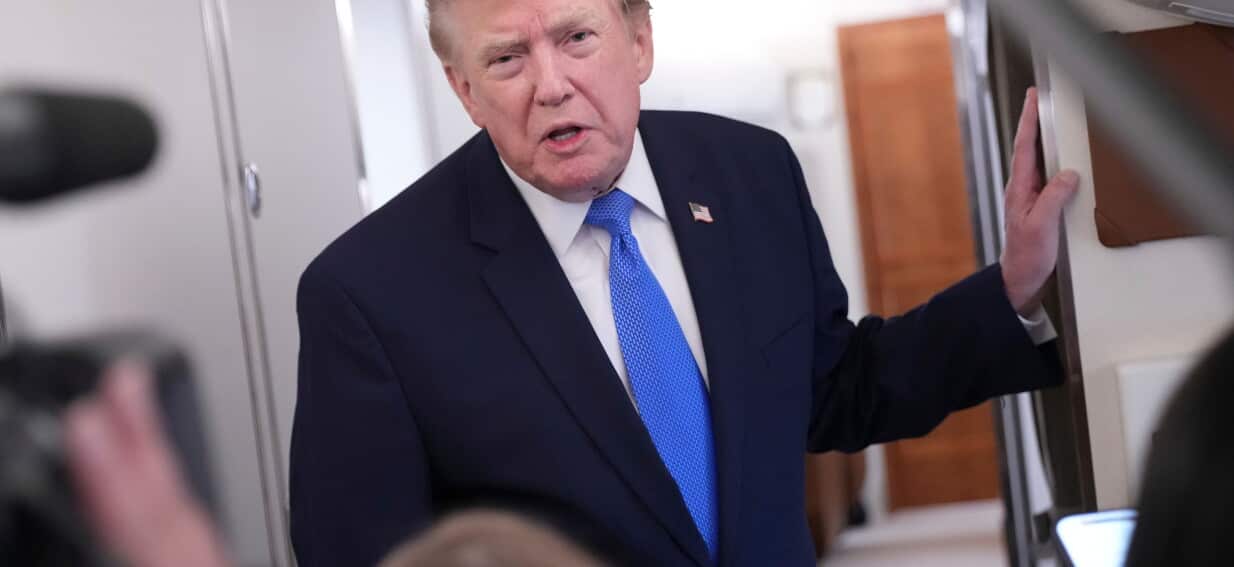
Washington has pulled back from the brink of a major military confrontation in the Middle East, with President Donald Trump confirming he cancelled retaliatory strikes against Iran at the eleventh hour. The dramatic decision, which unfolded as US forces were reportedly poised to act, has paved the way for potential new dialogue aimed at defusing the escalating crisis. This unexpected turn of events comes amidst a backdrop of mounting regional tensions and growing international calls for restraint.
The prospect of fresh talks, confirmed by President Trump, offers a glimmer of hope that a diplomatic resolution might yet be found. The announcement follows a period of heightened rhetoric and several provocative incidents, raising fears of a broader conflict that could destabilise global oil markets and have far-reaching geopolitical consequences. The international community has watched with bated breath as the two nations navigated a dangerous path.
Brinkmanship and Backchannels
President Trump’s decision to halt the planned military action was reportedly made after he was informed that 150 Iranian lives would be lost. This assessment, delivered shortly before the strikes were to be launched, appears to have been a critical factor in his reversal. The strikes were intended as a response to Iran’s downing of a US surveillance drone, an act Tehran maintained occurred in its airspace, a claim Washington vehemently denies. The precise nature of the planned targets and the specific military assets involved remains undisclosed, but the implications of such an engagement would have been profound.
While direct communication between Washington and Tehran has been largely absent, backchannels and diplomatic efforts by intermediary nations have been in full swing. SBS World reported that Iranian mediators are working tirelessly to revive the spirit, if not the letter, of June's memorandum of understanding. This earlier agreement, the details of which remain largely opaque, was seen as a tentative step towards establishing a framework for dialogue. Its collapse underscored the deep-seated mistrust and complex challenges inherent in any negotiation between the two adversaries. The current push by intermediaries suggests a renewed international impetus to prevent further escalation.
Economic Fallout and Global Concerns
Beyond the immediate military implications, the ongoing tensions have significant economic ramifications. Global oil prices have remained volatile, with analysts at major Australian banks closely monitoring the situation. A full-blown conflict could send crude prices soaring, potentially impacting petrol prices for Australian motorists and contributing to inflationary pressures across the globe. Australian businesses with interests in the Middle East are also facing increased uncertainty, with supply chains and investment decisions under review.
Furthermore, the prospect of prolonged instability in a region critical to global trade routes raises concerns for nations worldwide. Australia, while geographically distant, has vested interests in a stable global economy and predictable energy markets. The Department of Foreign Affairs and Trade (DFAT) has advised Australians to reconsider travel to Iran and parts of the wider Middle East, reflecting the heightened security risks.
The Path Ahead: Fraught with Difficulty
Despite the apparent opening for talks, the road to a lasting peace remains fraught with difficulty. The fundamental disagreements between the US and Iran – particularly concerning Iran’s nuclear program, its regional influence, and its ballistic missile capabilities – are deeply entrenched. Any meaningful negotiations would require significant concessions from both sides, a prospect that has historically proven elusive. The challenge for mediators will be to find common ground in an environment defined by mutual suspicion and a history of broken agreements.
The potential for miscalculation remains high, and even with the willingness to talk, a single incident could rapidly derail diplomatic efforts. The international community will be watching closely as these fragile new discussions begin, hoping that statesmanship can prevail over the ever-present threat of conflict.