
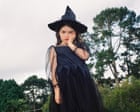
A quiet pocket of the upper Blue Mountains has cemented its reputation as New South Wales’ most eccentric Halloween enclave, drawn together by homemade costumes and an analogue photographer’s watchful lens.
Each October 31, the winding avenues of North Katoomba surrender to an idiosyncratic celebration that blends gothic folklore with uniquely Australian irreverence. As reported by Guardian NSW politics, local photographer Maja Baska has turned the neighbourhood’s annual festivities into a long-running visual archive, documenting the nocturnal spectacle using traditional film cameras rather than modern digital sensors.
Capturing Katoomba through an analogue lens
Baska’s photographic expedition has become an annual ritual within the township, capturing a spectrum of local revelry that spans the delightfully mundane to the genuinely unsettling. Armed with mechanical cameras and a limited count of celluloid exposures, the photographer weaves through trick-or-treaters and porch gatherings, recording fleeting moments that might otherwise be lost to digital clutter.
Her visual dispatches showcase a community that treats the holiday less as a corporate import and more as an open-air theatrical production. The tangible grain of film complements the moody, eucalyptus-tinged mist that frequently blankets the plateau at dusk, lending North Katoomba’s suburban homes the atmosphere of a vintage ghost story.
From macabre witches to an infamous killer durian
The costumes documented across the plateau demonstrate a creative ambition rarely matched in metropolitan Sydney. Alongside the conventional retinue of broomstick-wielding witches, grinning clowns, and skeletal apparitions, North Katoomba residents routinely exhibit a penchant for surrealist parody.
Among the most arresting visions catalogued in the report was an ensemble reimagining the world's most pungent delicacy: a menace disguised as a spiked, killer durian. Such irreverent turns sit shoulder-to-shoulder with meticulously hand-sewn Victorian garments and satirical interpretations of regional identity, reflecting the arts-heavy demographic that has long called the upper mountains home.
The result is an aesthetic tapestry devoid of cookie-cutter plastic masks, leaning instead into recycled fabrics, papier-mâché, and sharp local wit.
A distinct subversion of commercialised suburban ritual
While Halloween’s ascent in Australia once met fierce resistance from traditionalists decrying American cultural hegemony, pockets like Katoomba have steadily naturalised the event on their own terms. Rather than relying on department-store confectionery runs, the neighbourhood transforms into an interactive salon of street theatre and neighbourly hospitality.
Residents convert weatherboard verandahs into improvised stages, where parents and children gather around cast-iron fire pits in the cool mountain twilight. It represents a rare collective gathering on the suburban fringe, revitalising streetscapes that are typically quiet once the commuter trains empty.
Film records in an era of digital ephemera
In committing these street encounters to analogue negatives, Baska’s project provides an enduring cultural record of a changing mountain community. While social media feeds flood with ephemeral, filtered snapshots that disappear within hours, the slower mechanics of film demand intention, patience, and direct human engagement on the footpath.
The ongoing visual chronicle highlights how contemporary regional Australia negotiates community identity: through a shared appetite for the absurd, a communal porch light left switched on, and an embrace of the strange in the mountain fog.