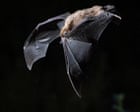
Conservationists are scrambling to understand a sudden and alarming 16% decline in the population of critically endangered southern bent-wing bats at a vital breeding location in South Australia. The mysterious disappearance of roughly 5,000 bats from Naracoorte’s renowned ‘bat cave’ this summer has ignited fears for the future of a species already teetering on the brink.
The Guardian Australia reported on this exclusive discovery, highlighting the significant decrease recorded by scientists during routine monitoring. These diminutive, russet-coloured microbats, known for their elaborate cave roosts and extensive foraging flights across south-west Victoria and south-east South Australia, play a crucial role in regulating insect populations across the region.
A Silent Disappearance
The southern bent-wing bat (Miniopterus orianae bassanii) is a subspecies of bent-wing bat endemic to a specific region stretching from the World Heritage-listed Naracoorte Caves in South Australia to western Victoria. Its population has been under intense pressure for decades due to habitat loss, pesticide use impacting their insect prey, and disturbance to their sensitive cave environments. The Naracoorte cave system serves as a cornerstone for their survival, acting as a primary maternity site where females gather in vast numbers to give birth and raise their young.
Scientists conducting their annual census at the Naracoorte site were confronted with the stark reality of 5,000 fewer individuals than expected. This represents a significant blow to a population whose overall numbers are carefully monitored given their endangered status. The absence of such a large contingent of breeding females and their offspring raises immediate concerns about reproductive success and the long-term viability of the subspecies. Experts are particularly troubled as there were no obvious signs of a mass mortality event or a change in environmental conditions that would typically precede such a dramatic drop.
Urgent Investigations Underway
Wildlife authorities and researchers have launched an urgent investigation to determine the cause of this perplexing decline. Initial theories range from undetected disease outbreaks that could have swept through the colony, to localized environmental toxins impacting their food sources, or even subtle shifts in cave microclimates. The challenge lies in the sheer scale of the disappearance and the lack of overt evidence to pinpoint a single factor.
Specialists are analysing past climate data, insect availability, and any potential human disturbances in the foraging territories frequented by the bats. The southern bent-wing bat typically has a high degree of site fidelity, returning to the same maternity caves year after year, making such a sudden and significant reduction all the more concerning. Researchers are also examining data from other known roosting sites to see if there have been corresponding increases, suggesting a possible displacement, though this is considered less likely given the species’ established patterns.
Broader Implications for Biodiversity
The plight of the southern bent-wing bat underscores the delicate balance of Australia’s biodiversity and the often-unseen threats faced by its nocturnal inhabitants. As insectivorous bats, they are vital pest controllers, consuming vast quantities of agricultural and nuisance insects, thereby providing an estimated economic benefit in the millions of Australian dollars annually to the agricultural sector.
Their decline could have cascading effects on local ecosystems, potentially leading to increased pest outbreaks and a reduction in overall biodiversity. This latest setback serves as a stark reminder of the continuous effort required to protect Australia's unique wildlife, particularly those species facing multiple, complex threats. Without swift action and a clear understanding of this latest mystery, the future of the southern bent-wing bat remains perilously uncertain.