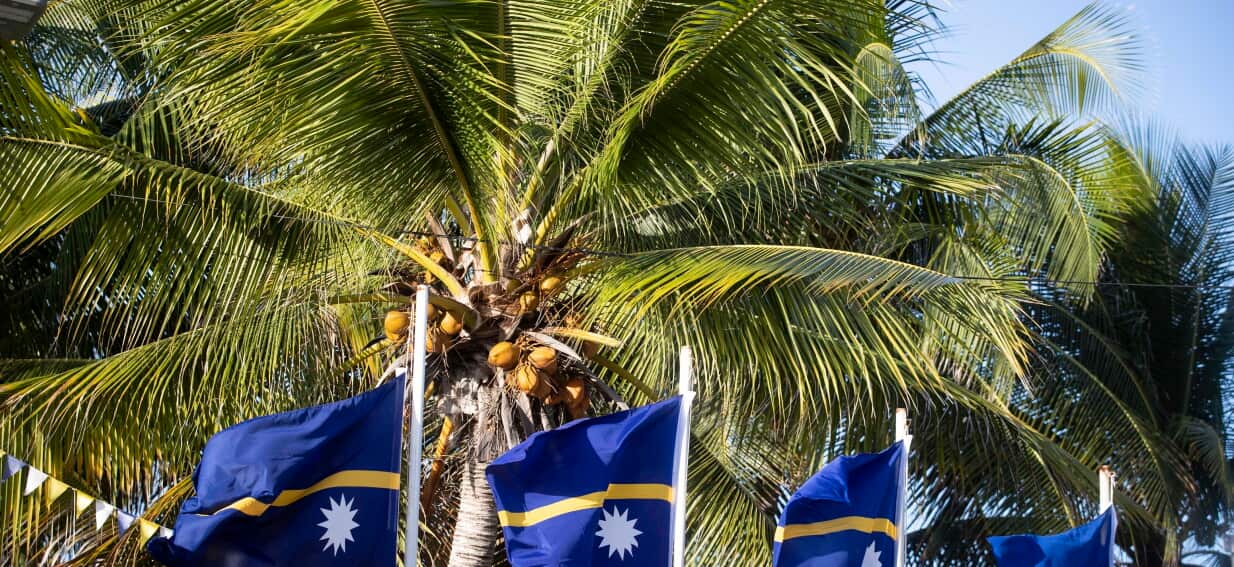
In a significant move signalling a broader global trend of decolonisation and cultural reclamation, the Pacific island nation of Nauru has formally adopted its original, ancestral name: the Republic of Naoero.
This decision, reported by SBS News Top Stories, sees the nation join a growing number of countries and territories worldwide that are actively shedding colonial-era appellations in favour of names rooted in their indigenous languages and heritage. For Naoero, a small island nation in Micronesia, the change is more than just linguistic; it's a profound statement of national identity and a reclaiming of its rich cultural past.
The adoption of ‘Naoero’ represents a deliberate effort to honour the island’s pre-colonial history and the language of its people. The name 'Nauru' itself is believed to be a phonetic Anglicisation of the indigenous Nauruan word 'Naoero', which translates to 'I go to the beach'. This seemingly simple act of renaming carries significant weight, offering a symbolic bridge to the nation’s origins and a powerful affirmation of its cultural sovereignty.
A Global Movement Towards Indigenous Identity
Naoero’s decision is not an isolated event but rather part of a discernible global movement. From New Zealand’s ongoing discussions about officially restoring Aotearoa as its primary name, to places like Eswatini (formerly Swaziland) and more recently, Türkiye (formerly Turkey) asserting their indigenous or preferred international spellings, the trend is clear. These changes often reflect a desire to break free from colonial legacies, assert national pride, and provide a more accurate representation of a country’s identity on the world stage.
For many nations, colonial names were imposed during periods of foreign domination, often erasing or obscuring rich indigenous histories and languages. Reverting to original names is therefore a vital step in decolonising narratives and empowering local communities. It also serves as an educational tool, encouraging both citizens and the international community to engage with and understand the authentic cultural heritage of these places.
Cultural Pride and International Recognition
The formal adoption of ‘Republic of Naoero’ will necessitate changes in international documents, diplomatic protocols, and global mapping systems. While seemingly administrative, these adjustments reinforce the nation's chosen identity and ensure it is recognised on its own terms. For a nation that gained independence from Australia, New Zealand, and the United Kingdom in 1968, this latest move is a further assertion of its self-determination.
The move is also expected to foster greater cultural pride among Naoero’s citizens. By officially embracing their ancestral name, the government sends a powerful message about the value placed on indigenous language and traditions. This can have far-reaching positive effects, encouraging the revitalisation of traditional practices, languages, and storytelling, which are crucial for maintaining a vibrant cultural identity in the face of globalisation.
Implications for Australian Relations
Australia, as a close neighbour and significant partner to Naoero, will undoubtedly acknowledge and respect this change. The Australian government, along with its departments and agencies, will be expected to update all official communications, documents, and protocols to reflect the new name. This transition is typically smooth, with nations accustomed to adapting to such changes as part of international relations.
The broader implications for Australia also touch upon its own ongoing dialogue regarding Indigenous place names. While there has been a significant push to dual-name or exclusively use Aboriginal and Torres Strait Islander place names within Australia, the Naoero example may further inspire discussions and actions towards greater recognition of Indigenous heritage on a national scale. It serves as a reminder that the reclamation of ancestral names is a powerful and increasingly common practice in shaping national identity in the 21st century.