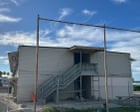
Australia's offshore processing regime on Nauru is under intense scrutiny following revelations that the government spent an astounding $9 million for each asylum seeker held on the island last financial year, yet many detainees reportedly face hunger and lack access to clean drinking water.
A survey conducted by the Asylum Seeker Resource Centre (ASRC) has painted a stark picture of destitution among the more than 100 individuals awaiting processing on the tiny Pacific nation. The findings contradict the enormous expenditure, raising serious questions about the allocation of taxpayer funds and the welfare of those in Australia's care.
Dire Conditions Amidst Astronomical Spending
The ASRC survey indicates that a significant number of refugees and asylum seekers, indefinitely detained on Nauru, are unable to afford sufficient food or access potable water. Many respondents reported skipping meals to conserve what little money they have, highlighting a profound disconnect between the financial outlay and the lived experience of detainees. This situation is particularly galling given the reported $9 million per person expenditure, as noted by The Guardian Australia, which first brought these figures to light. The vast sums are meant to cover all aspects of the offshore processing operation, including accommodation, security, medical care, and food provisions, yet the survey suggests a fundamental failure in meeting basic human needs.
The Cost of Indefinite Detention
The exorbitant cost of offshore processing on Nauru has long been a point of contention, but the scale of the expenditure – coupled with the reported deprivation – has shocked many. The $9 million figure encompasses a myriad of expenses associated with maintaining the offshore regime, from contractual arrangements with service providers to logistical support and staffing. Critics argue that this astronomical sum could be far more effectively spent on resettlement programs or processing asylum claims within Australia, which would alleviate both human suffering and the significant financial burden on taxpayers. The indefinite nature of detention further exacerbates the problem, with individuals languishing for years, their lives on hold, while the costs continue to mount.
A Call for Accountability and Transparency
Advocacy groups are now demanding greater transparency and accountability from the Australian government regarding the expenditure on Nauru. The ASRC has urged a thorough investigation into how the $9 million per person is being spent and why it is not translating into adequate provisions for those detained. The discrepancy between the cost and the reported conditions fuels concerns that a large portion of the funds may not directly benefit the asylum seekers themselves. There are calls for an independent audit to scrutinise the contracts and financial arrangements with the various entities involved in the Nauru operation, ensuring that taxpayer money is used ethically and efficiently. This scrutiny is deemed essential to understand how such a vast sum can be expended without adequately addressing the fundamental needs of the individuals for whom the system ostensibly exists.
Humanitarian Concerns Mount
The ongoing reports of inadequate food and water access on Nauru amplify existing humanitarian concerns surrounding Australia's offshore processing policy. Critics argue that the system is not only financially unsustainable but also morally indefensible, leading to severe physical and psychological distress among detainees. The plight of those on Nauru continues to be a stain on Australia's human rights record, prompting calls from international bodies and human rights organisations for an end to indefinite detention and a more compassionate approach to asylum claims. The latest ASRC findings serve as a stark reminder of the human cost embedded within the nation's border protection policies, despite the immense financial investment.