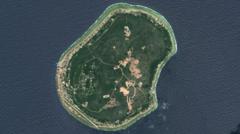
In a world where the beautiful game permeates nearly every corner of the globe, one tiny island nation remains untouched by official international football: Nauru. The Pacific republic, with a population smaller than many Australian country towns, holds the unique distinction of having never played an official international match, a sporting anomaly that BBC Sport recently brought to global attention.
An Island Averse to the World Game
Nauru’s sporting landscape has historically been dominated by Australian Rules Football and powerlifting, with local football – or soccer, as it’s often known Down Under – barely registering on the national radar. According to BBC Sport, the sport's grassroots presence is so minimal that finding a pick-up game is a rarity, let alone a structured league. This stands in stark contrast to its Pacific neighbours, where football is a beloved pastime, often a national obsession.
Geographical isolation and limited resources have undoubtedly played a role in Nauru's footballing vacuum. The logistics of fielding a national team, let alone competing internationally, present significant hurdles for a nation with a landmass of just 21 square kilometres. Travel costs alone, potentially running into tens of thousands of Australian dollars for a single away fixture, can be prohibitive for a developing nation. Furthermore, the absence of dedicated football pitches meeting international standards means even local training facilities are a challenge.
Stirrings of a Footballing Future
Despite the historical neglect, there are nascent signs that the tide may be turning. A younger generation on the island, exposed to global football through satellite television and the internet, is reportedly showing an increasing interest in the sport. The universal appeal of figures like Lionel Messi and Sam Kerr transcends geographical boundaries, sparking curiosity and ambition even in the most remote corners.
Local initiatives, albeit small-scale, are beginning to emerge. There's talk of makeshift pitches being prepared and rudimentary training sessions taking place. While far from a formal national federation, these tentative steps represent a significant shift in a nation that has, until now, largely ignored the world's most popular sport. The establishment of any kind of organised football structure would be a monumental achievement and the first step towards Nauru eventually joining the ranks of FIFA.
The Allure of International Recognition
For a small island nation, the prospect of international sporting recognition, even in defeat, holds significant appeal. Participation in football tournaments, even at regional levels like the Oceania Football Confederation (OFC) Nations Cup preliminaries, offers not just sporting engagement but also a platform for national pride and identity on the world stage. Imagine the headlines for Nauru's debut match, a moment ripe for global feel-good stories and a potential tourism boost for the phosphate-rich nation.
The journey, however, will be long and arduous. Building a footballing infrastructure from scratch requires not only financial investment but also expertise in coaching, administration, and player development. International assistance from football's governing bodies, FIFA and OFC, would be crucial in providing resources and guidance to nurture Nauru's nascent football ambitions. The cost of establishing a sustainable football program, including facilities and equipment, could easily run into several hundreds of thousands of Australian dollars over a few years, a considerable sum for Nauru's modest governmental budget.
A Unique Sporting Legacy Awaits?
The question remains: will Nauru shed its unique status as the only nation without an international football match? The signs are tentative, almost imperceptible, but they are there. For football purists and romantics, the idea of the last unplayed pitch finally hosting a game is a compelling narrative. While the path to the international stage is fraught with challenges, the ambition of a new generation on Nauru could yet write a remarkable chapter in the annals of global sport, proving that even the smallest nation can dream of footballing glory.