
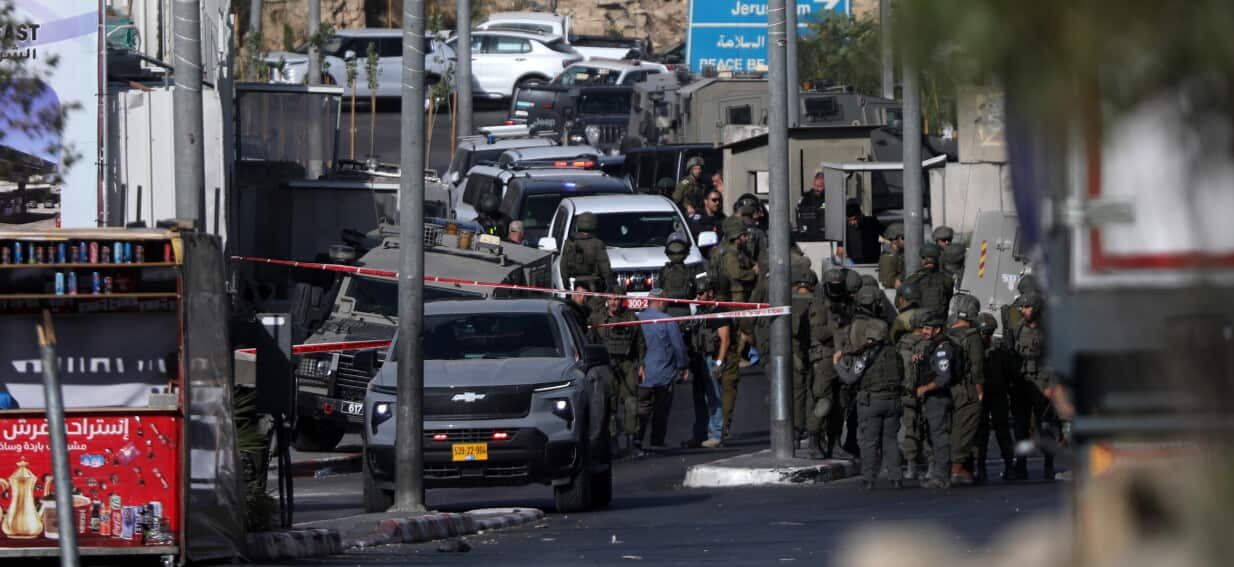
Israeli Prime Minister Benjamin Netanyahu has ordered security forces to prepare for an uncompromising closure of the West Bank, vowing systematic house-by-house operations after two soldiers were killed in an insurgent ambush.
SBS News Top Stories reported that the directive came in the wake of a deadly incident that claimed the lives of two military personnel, prompting the Israeli prime minister to signal an immediate escalation in defensive and retaliatory measures across the occupied territory.
Under the instructions issued to the military high command, security personnel are preparing for a potential blanket sealing of West Bank access routes, alongside sweeping sweeps targeting militant infrastructure and suspects connected to the assault.
Sweeping military cordons and search operations
The order for a potential total closure would severely restrict the movement of hundreds of thousands of Palestinian residents, sealing transit checkpoints between municipal districts and halting commercial transport corridors.
Security personnel have already begun tightening existing cordons around urban centres and rural villages in proximity to the site of the attack. Military sources indicated that the pledged house-by-house campaign would involve intensive counter-terror raids, weapons confiscations and targeted interrogations aimed at identifying local support cells and preventing follow-on ambushes.
The tactical shift follows months of intensifying friction between Israeli defence units, armed local factions and expanding settlements across the territory. Retaliatory sweeps of this scale historically result in heightened confrontations, widespread property damage and an uptick in civilian casualties as ground forces move into densely populated neighbourhoods.
Escalating friction across the occupied territories
The West Bank has remained on a volatile precipice since late 2023, with near-daily military incursions, armed clashes and settler-related violence compounding an already acute humanitarian and economic crisis.
Civic infrastructure across major West Bank hubs, including Jenin, Tulkarm and Nablus, has suffered severe degradation during consecutive military operations. A complete territorial lockdown threatens to paralyse what remains of the local economy, cutting off workers from essential employment, medical facilities and agricultural lands.
Humanitarian agencies have repeatedly warned that extensive blockades inflame grassroots grievances, creating an escalatory cycle that undermines moderate governance structures while bolstering militant recruitment among disenfranchised youths.
Heightened concern over broader regional spillover
The prospect of a severe, prolonged security shutdown has heightened apprehension among international observers and regional diplomats, who fear an unchecked escalation in the West Bank could ignite another major front while hostilities continue across the wider Middle East.
The Australian Government has consistently urged restraint, reiterating its longstanding position that unilateral security clampdowns and unconstrained settlement activity destabilise the region and erode prospects for a viable two-state framework.
With Israeli security forces finalising operational plans for the closure, regional analysts caution that tactical successes achieved through house-by-house incursions risk triggering widespread unrest unless accompanied by diplomatic de-escalation mechanisms.


