
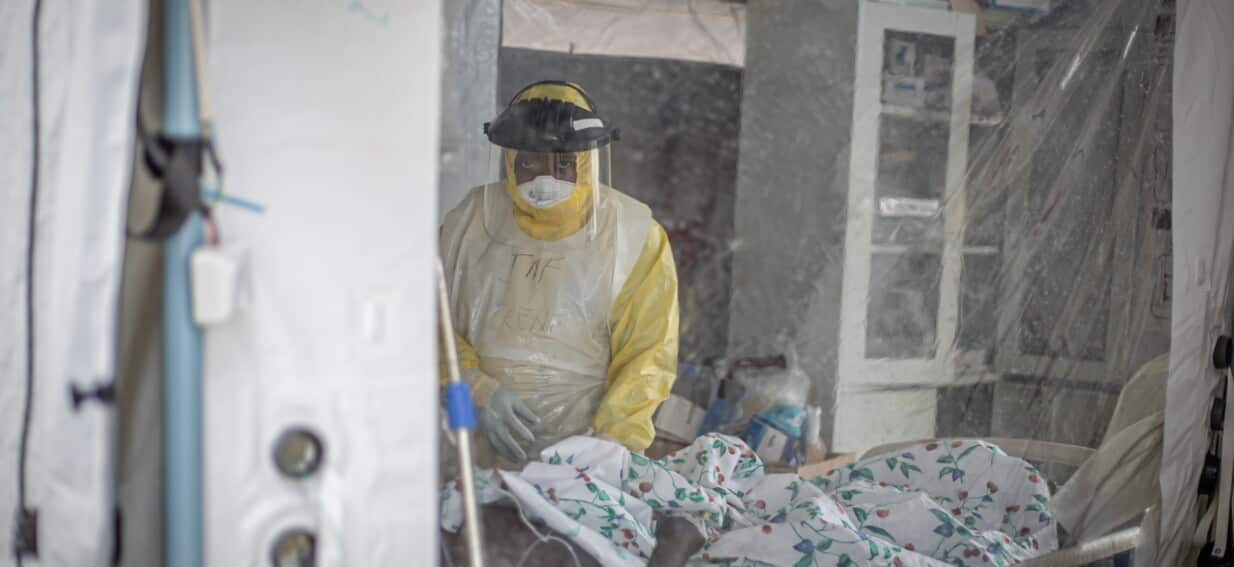
Health authorities across Africa are confronting a multifaceted public health crisis after Nigeria confirmed its first Ebola infection in a decade, following the cross-continental spread of a lethal central African outbreak.
The case marks a critical turning point in an epidemic that initially flared in the Democratic Republic of Congo (DRC) earlier this year, SBS News Top Stories reported. The virus's westward movement across thousands of kilometres has reignited acute concern at the World Health Organisation (WHO), which has categorised the evolving regional emergency as uniquely complex.
Cross-Continental Transmission Alarms Global Monitors
The movement of the virus into West Africa presents severe logistical hurdles for international health agencies. What began as a localised contagion in remote provinces of the DRC has now breached national frontiers, threatening densely populated urban transit hubs.
Epidemiologists fear that cross-border trade, migration, and porous transport checkpoints could facilitate further transmission. The WHO warned that managing the virus across distinct geographic and administrative jurisdictions strains regional response capabilities, especially in nations still recovering from previous health emergencies and operating with under-resourced public hospital networks.
Contact Tracing Mobilised Across Nigeria
Nigeria’s confirmation of an active case ends a ten-year period free of the haemorrhagic pathogen. The nation was widely lauded in 2014 for its rapid containment of an imported infection, when aggressive contact tracing and quarantine protocols averted a catastrophic domestic crisis.
Health officials in Abuja and key metropolitan centres are moving swiftly to replicate that containment model. Rapid-response teams have been deployed to isolate potential contacts, reinforce diagnostic laboratories, and supply frontline medical personnel with protective equipment. While Nigerian authorities maintain that surveillance mechanisms remain robust, the high population density of its primary cities leaves little margin for administrative error.
Lessons of Past Epidemics Drive Early Intervention
Memories of the devastating 2014–2016 West African epidemic—which claimed more than 11,000 lives across Guinea, Liberia, and Sierra Leone—continue to shadow the current response. Unlike during previous crises, international health experts now possess approved vaccines and specialised antiviral therapeutics.
However, global stockpiles of such treatments remain tightly constrained. Distributing cold-chain supplies across volatile or logistically compromised transport corridors in central and western Africa presents a formidable barrier. The WHO has urged donor nations to ensure swift financial and operational support before the caseload overburdens regional clinics.
Implications for Global and Australian Biosecurity
While Australian border agencies have not altered international travel advisories, global health observatories are urging heightened vigilance for travellers departing the affected territories.
In previous outbreaks, Australian authorities maintained strict border screening and monitoring protocols for arrivals originating from known transmission zones. Public health analysts note that modern aviation networks present a latent risk for rapid dispersal, though the threat to Australia remains low due to comprehensive biosecurity safeguards.
For now, international attention remains fixed on West Africa, where containment efforts over the coming weeks will determine whether the continent averts another protracted humanitarian emergency.


