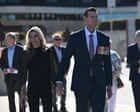
Sydney radio station 2GB has drawn scrutiny after heavily promoting a marathon interview with disgraced former soldier Ben Roberts-Smith, even as its own network stablemates moved rapidly to scrutinise his claims.
Thursday’s morning broadcast was dubbed "Ben Roberts-Smith day" by breakfast presenter Ben Fordham, who previewed the sit-down alongside talkback staples on gender-neutral language and regional wildlife. By Friday morning, the two-and-a-half-hour video broadcast had accumulated roughly 250,000 views across digital channels, Guardian Australian politics reported.
Yet the extensive broadcast also reignited internal frictions across Nine Entertainment, which owns both the radio network and the metropolitan mastheads that successfully defended Roberts-Smith’s landmark defamation lawsuit.
Mastheads Challenge Radio Platform
While 2GB offered the Victoria Cross recipient an expansive public forum, journalists at The Sydney Morning Herald and The Age quickly published comprehensive fact-checks dissecting Roberts-Smith's commentary.
The stark divergence within Nine highlighted the ongoing commercial and editorial tensions lingering in the wake of the civil trial. In June 2023, Federal Court Justice Anthony Besanko dismissed Roberts-Smith’s defamation action against the publishers and investigative reporters Nick McKenzie and Chris Masters, finding the allegations that Roberts-Smith was involved in four unlawful killings in Afghanistan were substantially true.
Despite those devastating civil findings, the former corporal used his radio appearance to reassert his innocence and cast doubt on the trial evidence. His broadcast appearance bypassed the rigorous cross-examination that characterised his weeks in the witness box, leading print colleagues within the same media conglomerate to publicly counterbalance his version of events.
Uninterrupted Platform for Disgraced Soldier
The extended interview marked one of Roberts-Smith’s most sustained public appearances since the Federal Court handed down its historic judgment. During the broadcast, the decorated former soldier canvassed his personal grievances regarding the media investigations, the conduct of former comrades who testified against him, and the broader toll of the proceedings.
Guardian Australian politics noted that the broadcast gave significant running time to claims previously rejected or contextualised during the civil trial. Legal commentators have remarked on the delicacy of the timing, with Roberts-Smith currently appealing Justice Besanko’s decision before the Full Federal Court.
Digital Traffic Drives Commercial Calculation
The radio network’s decision to mount the special broadcast demonstrates the commercial pull of Roberts-Smith’s ongoing public rehabilitation effort. By packaging the encounter into a multi-platform digital event, Nine Radio generated substantial visual streaming metrics, proving that appetite for the scandal remains exceptionally strong across talkback audiences.
However, the spectacle of a Nine-owned radio host providing an unfettered platform to an individual who cost the company tens of millions of dollars in legal fees has raised eyebrows across the wider media landscape. While the network capitalised on high digital engagement, the exercise served as a reminder of the unresolved paradox inside Australia's largest commercial newsrooms.