
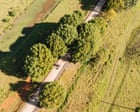
The ambitious vision of a 135-kilometre rail trail, set to weave through the picturesque cane fields, coastal fringes, and rolling hills of northern New South Wales, has hit a significant snag after a crucial funding application was denied. Despite widespread support from local councils in a region eager for economic stimulus and tourism, a $42 million federal grant request to complete a vital 54-kilometre 'missing link' has been rejected.
This decision casts a shadow over a project lauded for its potential to transform the Northern Rivers, offering a unique cycling and walking experience that stretches from Casino to Murwillumbah. For now, the dream of a contiguous, uninterrupted journey through some of Australia's most stunning landscapes remains just that – a dream.
The Grand Design and a Glow-Worm Glimpse
The full 135-kilometre Northern Rivers Rail Trail is envisioned as a continuous pathway repurposing disused rail corridors, promising to connect communities and attract visitors from across Australia and beyond. It's a project that local advocates believe could inject millions into regional economies, creating jobs and fostering an active, outdoor lifestyle for residents.
The Guardian NSW politics reported on the frustrations surrounding the decision, highlighting the tangible benefits already being reaped on the completed sections. Take, for instance, the Murwillumbah to Crabbes Creek stretch. Paul Hixon, a visitor from Brisbane, recently embarked on this section with his two daughters, drawn by tales of hidden wonders. “There are glow-worms in the old train tunnel if you look hard enough into the deepest, darkest black,” Hixon reportedly remarked, speaking of the Burringbar tunnel – a testament to the unexpected delights the trail offers.
Local Hopes and Economic Spurs
For many local authorities, the rail trail is more than just a leisure amenity; it's a critical piece of infrastructure in regional recovery efforts. The Northern Rivers has faced numerous challenges, from natural disasters to economic downturns, and projects like the rail trail are seen as vital catalysts for regeneration. The completed sections have already demonstrated their capacity to draw tourists, boosting local businesses and creating a vibrant atmosphere in towns along the route. Cafes, accommodation providers, and bike hire shops have all reported increased trade directly attributable to the trail.
The proposed 54-kilometre missing link is not merely an optional extra; it's the key to unlocking the full potential of the broader 135-kilometre vision, transforming it from a series of disconnected segments into a cohesive, long-distance trail capable of truly rivalling other world-class routes.
A Bumper Economic Impact Foreseen
Proponents of the full trail estimate a significant economic impact, with projections suggesting tens of millions of Australian dollars injected annually into the regional economy through tourism expenditure, new business ventures, and job creation. Such figures are not unusual for successful rail trails globally, which often become major tourism drawcards. The ability to cycle or walk for extended distances, stopping in various towns and villages, encourages longer stays and greater spending by visitors.
These projections underscore the disappointment felt by local councils and community groups who had championed the funding application. The federal government's decision is particularly perplexing given the national push for regional development and investment in tourism infrastructure.
The Path Forward: Uncoupling Ambition from Reality?
The rejection means that efforts to complete the rail trail will now likely fall back on state government funding, local council contributions, and potentially community fundraising. This protracted, piecemeal approach risks delaying the project by years, frustrating those who have worked tirelessly to bring the grand vision to fruition.
The question now remains: will the Northern Rivers Rail Trail be able to overcome this significant hurdle and ultimately deliver on its promise of a continuous, world-class experience, or will the ambition of a seamless 135-kilometre journey remain uncoupled, perpetually short-changed of its full potential?