
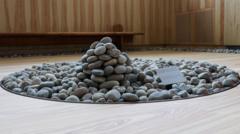
Oslo, Norway – Almost 15 years after the nation was plunged into an unimaginable nightmare, Norway has dedicated a powerful new national memorial honouring the 77 victims of the 2011 terror attacks. The poignant artwork, unveiled on Sunday in the capital, serves as a permanent symbol of remembrance, resilience, and the enduring pain of a nation united in grief.
The memorial comes ahead of the solemn 15th anniversary of the heinous acts committed by right-wing extremist Anders Behring Breivik. On July 22, 2011, Breivik detonated a car bomb in Oslo's government quarter, killing eight people, before proceeding to a Labour Party youth camp on Utøya island, where he systematically murdered 69 more, mostly teenagers.
A Decade of Design and Debate
Named 'Memory Wound', the initial proposal for a memorial at Utøya had ignited years of intense public debate and legal challenges, primarily from some local residents concerned about the scale of the design and its potential impact. After a protracted process, plans for a different national memorial in Oslo, and a separate, more intimate memorial on Utøya itself, were eventually finalised. The new Oslo memorial, conceptualised by an Australian-born artist, offers a stark yet contemplative space for reflection, nestled within the cityscape.
The unveiling ceremony on Sunday was a deeply emotional affair, attended by survivors, victims' families, government officials, and members of the public. Speakers reiterated the importance of never forgetting those who perished and of continually confronting the ideologies that fuel such atrocities. The memorial's design, which integrates subtle symbolism and natural elements, encourages quiet contemplation, offering a space where visitors can mourn and remember away from the specific site of the attacks.
The Lingering Shadow of extremism
The 2011 attacks profoundly shook Norway, a nation often perceived as idyllic and peaceful. They exposed the dangerous undercurrents of right-wing extremism, forcing a national reckoning with issues of radicalisation and intolerance. The perpetrator, Breivik, driven by anti-immigrant and anti-multiculturalist sentiments, aimed to destabilise Norwegian society and government. He was later sentenced to Norway's maximum penalty of 21 years in prison, which can be extended indefinitely if he is still considered a threat to society.
This new memorial is not just about looking back; it's also about looking forward, ensuring that the lessons learned from those dark days continue to inform societal values. The Norwegian government has consistently emphasised the importance of democracy, human rights, and open dialogue in combating extremism, sentiments echoed by local officials at the memorial's opening. As BBC World reported, the artwork stands as a testament to the fact that even in the face of unimaginable horror, a community can find strength in unity and remembrance.
A Nation's Enduring Resilience
For many Norwegians, the attacks remain an open wound. The memory of the innocent lives lost and the stark brutality of the events are etched into the national psyche. However, the nation's response was not one of vengeance, but of a commitment to its core democratic values. The widespread outpouring of grief was accompanied by a powerful message of 'more democracy, more openness, and more humanity'.
The new memorial provides a vital communal space for healing and remembrance. It allows individuals to pay their respects and for the nation to collectively acknowledge the profound losses. Its presence in the heart of the capital signifies that while the physical scars of the bombings have long been repaired, the human cost will forever be remembered, serving as a solemn reminder of the fragility of peace and the imperative to defend democratic principles against all forms of hatred. The total cost of the memorial's design and construction has not been released, however, sources suggest similar national projects can run into the tens of millions of Australian dollars.