
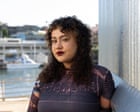
Sydney singer-songwriter Odette has revealed a recent autism diagnosis and sobriety have transformed her personal life and creative output, marking another candid chapter for the four-time ARIA-nominated musician.
The 26-year-old performer, whose full name is Georgia Odette Sallybanks, told Guardian Australia Culture that receiving the formal assessment last year had "completely revolutionised the way that I exist".
Reframing Identity and Neurodiversity
The revelation represents a watershed moment for the Sydney artist, who has spent much of her twenties navigating complex emotional turbulence under the public gaze. The diagnosis arrived alongside a personal commitment to sobriety, presenting Sallybanks with a clearer perspective on both her interpersonal relationships and her artistic process.
Adult neurodivergent assessments, particularly among women whose traits were historically masked or overlooked in childhood, have increasingly entered broader Australian clinical and cultural discussions. For creative figures whose work relies on emotional introspection, such milestones often recontextualise past struggles. For Sallybanks, the assessment has unlocked a deeper self-compassion, replacing years of persistent rumination with clarity.
A History of Frank Self-Discovery
This is not the first instance where clinical insight has fundamentally reshaped the artist's professional trajectory. In 2021, on the cusp of launching her sophomore album, Sallybanks was diagnosed with borderline personality disorder (BPD).
Guardian Australia Culture reported that the earlier diagnosis prompted the musician to entirely reconsider the interiority underpinning that project. In an assertive shift, she abandoned the record's working title, Dwell, in favour of Herald, moving deliberately from private pain to public declaration. Sallybanks subsequently entered the promotional circuit with unvarnished candour, refusing to sanitise the realities of her mental health.
From Teenage Hype to Artistic Resilience
Sallybanks first commanded national attention as a teenage prodigy, regarded as one of the country's most compelling emerging songwriters. Her signature delivery—moving seamlessly between rich vocal runs and rhythmic, loping spoken-word passages—quickly secured her a contract with a major label.
Her 2018 debut album, To a Stranger, established her commercial and critical standing, earning four ARIA Award nominations and drawing a dedicated global following. However, the realities of maintaining a profile within the commercial music machinery while managing undiagnosed neurodivergence placed severe demands on the young artist.
Sobriety and Creative Clarity
Now supported by sobriety and an accurate diagnostic understanding, Sallybanks is recalibrating her relationship with live performance, songwriting, and self-preservation. Observers across the Australian entertainment landscape have long pointed to the unique challenges of an industry that can often romanticise vulnerability while offering minimal infrastructure for ongoing psychiatric support.
By speaking openly about her experiences with autism, borderline personality disorder, and recovery, Sallybanks reinforces her reputation as an uncommonly forthright voice in contemporary Australian music. Her body of work continues to shift, moving beyond the murky depths of unresolved anguish toward a grounded, hard-won artistic autonomy.