
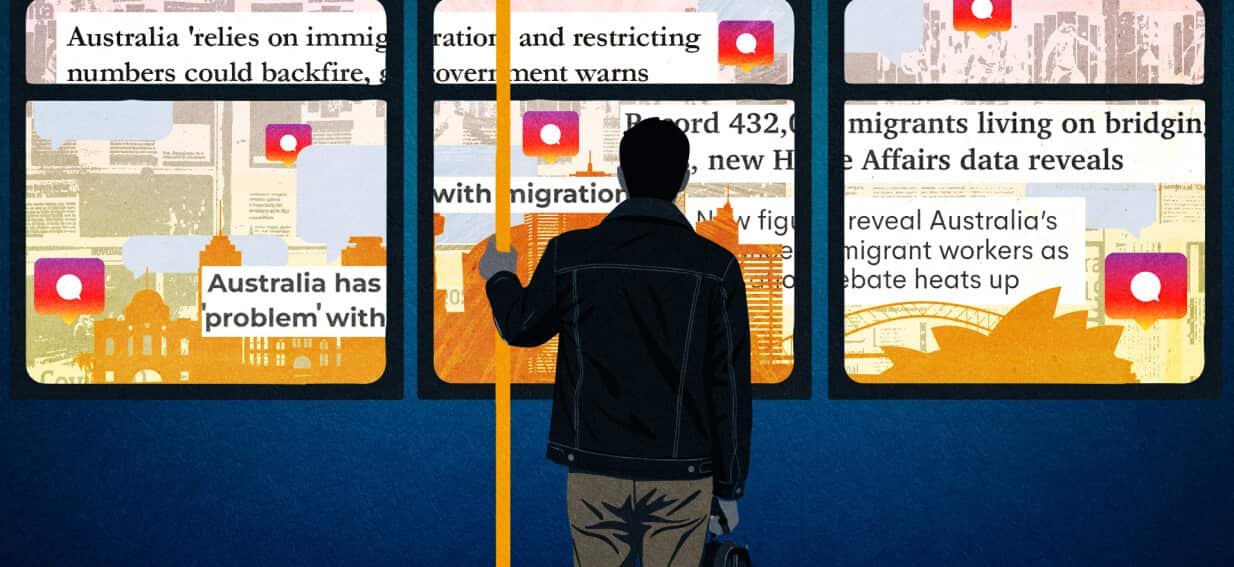
The political landscape is shifting beneath Australia's feet, largely driven by the re-energised presence of Pauline Hanson's One Nation party. Their growing traction is not merely a flicker in the electoral cycle; it is hardening the discourse around migration, redefining the meaning of Australian identity for diverse communities, and sending ripples of concern and recalculation across international borders.
A Divisive Tide on Home Shores
One Nation’s electoral gains, particularly in state and federal polls, have emboldened its often polarising rhetoric on immigration. This resurgence has created a palpable sense of unease among many Australians, particularly those from migrant backgrounds who feel increasingly scrutinised and, at times, alienated. The party's platform, which frequently advocates for reduced immigration levels and stricter assimilation policies, resonates with a segment of the population grappling with issues such as infrastructure strain, housing affordability, and cultural integration in a rapidly changing society. SBS Australia reported that this trajectory is reshaping the sense of belonging for many, prompting anxieties among established communities and new arrivals alike about their place within the national fabric. The focus often falls on perceived impacts of migration rather than the substantial economic and cultural contributions made by immigrants, exacerbating divisions.
International Perceptions and Policy Implications
Beyond Australia's borders, the rise of One Nation is being watched with growing interest and, in some cases, apprehension. Countries from which Australia draws a significant portion of its migrant intake, or those with strong diaspora ties, are observing closely how the nuanced and often heated debate around immigration plays out. This scrutiny isn't merely academic; it has tangible implications. Potential skilled migrants and international students, crucial to Australia's economic growth and global standing, are likely weighing these political currents in their decisions about relocating. A nation perceived as less welcoming or increasingly insular risks losing out on vital talent and cultural diversity, impacting sectors from healthcare to technology and education. Recruitment agencies overseas, for instance, are fielding more questions from prospective migrants about Australia's social climate and long-term immigration policies, indicating a shift in global perceptions.
The Economic and Social Contours of Contention
At the heart of the intensified debate lies a complex interplay of economic anxieties and social concerns. Proponents of significant migration cuts often cite pressures on public services, housing markets, and employment for existing citizens. Conversely, economists and business leaders consistently highlight the indispensable role of immigration in driving economic growth, offsetting an ageing population, and filling critical labour shortages. Australia's projected population growth relies heavily on sustained migration, bringing in fresh skills, innovation, and consumer demand. The current political climate, however, often simplifies these intricate dynamics into a zero-sum game, overlooking the nuance of how immigration benefits various facets of society. The challenge for policymakers, therefore, is to balance legitimate community concerns with the proven long-term advantages of a well-managed migration program, ensuring that political discourse does not overshadow evidence-based policy and inclusive social outcomes.
Charting a Future of Unity or Division
The trajectory set by One Nation's growing influence presents a critical juncture for Australia. The nation faces a choice: to lean into a more inclusive, multicultural future that leverages the strengths of its diverse population, or to succumb to pressures that risk isolating communities and diminishing its international standing. For policymakers, the task is to craft immigration strategies that are not only economically sound but also socially cohesive, fostering unity rather than division. This necessitates transparent communication, robust integration programs, and a proactive approach to addressing the root causes of community concern, rather than allowing fear to dictate policy. The outcome of this increasingly hardened debate will ultimately define Australia's identity and its place in an interconnected world for generations to come.