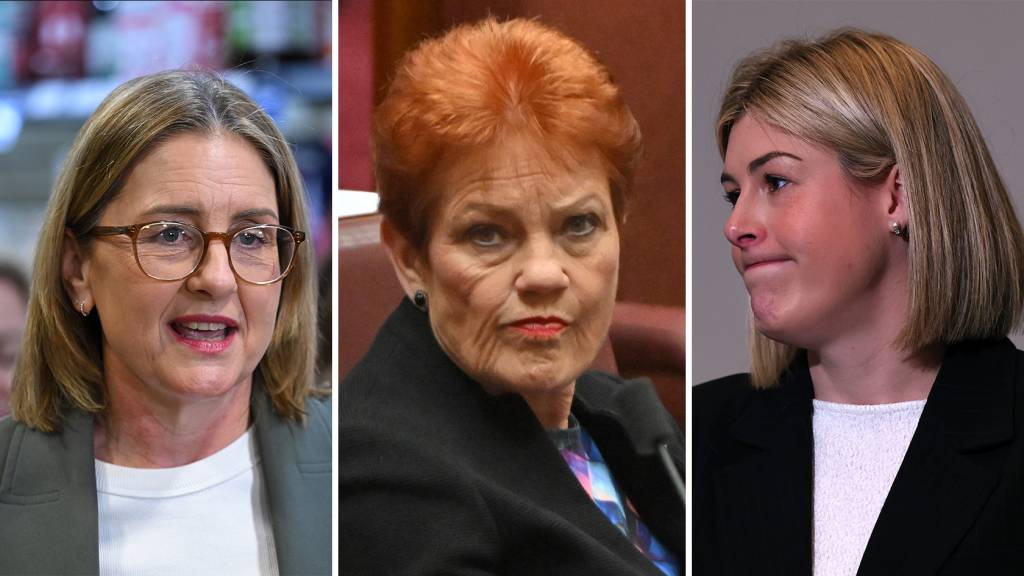
Victoria, a state often characterised by its progressive urban centres and robust two-party system, finds itself at a curious crossroads. With the Andrews Labor government facing persistent integrity questions and the Liberal opposition struggling to gain significant traction, a new political landscape may be emerging in the Garden State.
Major Parties Under the Microscope
The incumbent Labor government, led by Premier Daniel Andrews, has endured a tumultuous period marked by several high-profile controversies. The ongoing fallout from the IBAC investigations into land deals and alleged branch stacking has cast a long shadow over the party's reputation for clean governance. While the Premier has consistently denied wrongdoing and pledged cooperation with integrity bodies, the steady drip of negative headlines has undoubtedly eroded public confidence. Crikey, the Australian independent news outlet, recently highlighted the perceived 'mired in scandal' state of both major parties, setting the stage for alternative political narratives.
On the other side of the political spectrum, the Victorian Liberal Party has similarly failed to capitalise convincingly on Labor's woes. The opposition has struggled to present a unified and compelling vision for the state, often appearing fractured and unable to land decisive blows. Leadership speculation, though often dismissed by those within the party, periodically resurfaces, further contributing to an impression of internal instability. This vacuum of strong, unchallenged major party leadership, Crikey suggested, creates fertile ground for fringe movements.
The One Nation Playbook Arrives
Historically, One Nation has struggled to gain a significant foothold in Victoria, with its support base traditionally concentrated in Queensland and regional New South Wales. However, political strategists are now observing a subtle but concerning shift. The party, known for its populist, anti-establishment rhetoric and protectionist policies, appears to be calibrating its message for a Victorian audience, focusing on issues such as cost of living pressures, infrastructure overruns, and perceived governmental overreach. Campaigns are starting to appear targeting disenchanted voters in outer suburban and regional areas, demographics historically overlooked by the metropolitan-centric political discourse.
There's a growing concern that the political instability of the two major parties, combined with rising economic anxieties, could inadvertently pave the way for One Nation to make unprecedented inroads. The party's ability to tap into a sense of disillusionment and offer simplistic, often nationalistic, solutions could resonate with a segment of the electorate feeling unheard by mainstream politics. As Crikey provocatively posed, "Victoria, are we cooked?" – a question that now seems less hyperbolic and more prescient given the current climate.
A Troubling Precedent?
For many political commentators, the prospect of One Nation gaining significant influence in Victoria is deeply concerning. The party's policy platform, which often includes calls for reduced immigration, stricter law and order measures, and withdrawal from international agreements, stands in stark contrast to Victoria's reputation as a diverse and outward-looking state. A shift towards such policies could have profound implications for social cohesion, economic development, and the state's global standing.
The potential for Victoria to become a 'guinea pig' for a One Nation government, as suggested by Crikey, raises serious questions about the resilience of the state's political institutions and the efficacy of its traditional checks and balances. While it remains to be seen whether this nascent trend will translate into electoral success, the mere discussion signals a significant moment in Victorian political history. The upcoming state election, projected to cost taxpayers tens of millions of Australian dollars, will undoubtedly be one of the most closely watched in recent memory, with the future direction of the state potentially hanging in the balance.