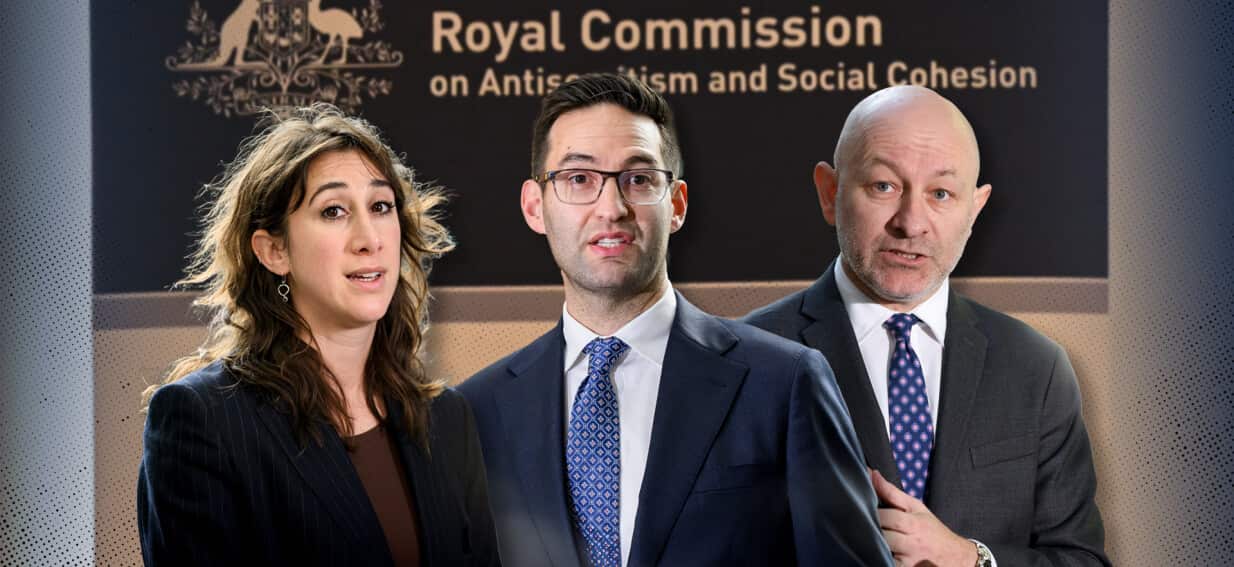
Australia is facing an "unprecedented" and "worrying" escalation of online hate speech, a parliamentary inquiry into antisemitism heard this week, with experts linking the digital vitriol to a concerning increase in real-world antisemitic violence across the nation.
In its third week of public hearings, the inquiry has shone a stark light on how the darker corners of the internet are incubating and amplifying hate, transforming insidious online rhetoric into tangible harm. The revelations paint a grim picture of a society struggling to contain the rapid proliferation of discriminatory content on social media platforms and unmoderated forums.
Digital Platforms as Breeding Grounds
Witnesses testifying before the inquiry detailed the pervasive nature of antisemitic content found across a myriad of digital platforms, from mainstream social media giants to niche, encrypted messaging apps. Experts noted that while platforms often cite their community guidelines, enforcement remains a significant challenge, creating an environment where hate speech can thrive and radicalise individuals. The ease of anonymity and the global reach of the internet allow for the rapid dissemination of hateful ideologies, making it incredibly difficult for authorities and community groups to track and counter effectively.
The inquiry heard that the sheer volume of hate speech is overwhelming, with organised groups and individuals leveraging sophisticated tactics to circumvent moderation efforts. This includes the deliberate use of coded language, memes, and dog-whistles that are easily understood by those in extremist circles but can appear innocuous to AI moderation systems or untrained human moderators. The consequence, as SBS News Top Stories reported, is a digital landscape increasingly polluted with material that normalises prejudice and incites hatred against Jewish communities.
From Screens to Streets: The Violence Link
A central focus of the inquiry has been the direct correlation between the explosion of online hate speech and a palpable rise in antisemitic violence and harassment. Submissions detailed numerous incidents where online threats and extremist rhetoric transitioned into real-world attacks, vandalism, and intimidation. Community leaders expressed deep concern over the escalating boldness of perpetrators, who, emboldened by online echo chambers, feel increasingly justified in acting on their hateful beliefs. The inquiry was presented with evidence suggesting that the digital sphere acts as a recruitment tool and a strategic planning ground for those intent on causing harm.
The psychological toll on Jewish Australians was also a significant theme, with testimony highlighting widespread fear and anxiety within the community. The constant barrage of online abuse, coupled with the threat of physical violence, has led many to alter their daily routines and heightened their sense of insecurity. The financial cost of increased security measures for synagogues, schools, and community centres was also noted, diverting resources that could otherwise be used for community building and outreach.
The Urgent Need for Action
Calls for more robust regulatory frameworks and increased accountability for digital platforms were a recurring demand from witnesses. Many argued that self-regulation has proven insufficient and that a more proactive approach from government is desperately needed. Suggestions included stronger legal penalties for those who propagate hate speech, improved resourcing for law enforcement to investigate online crimes, and mandating greater transparency from social media companies regarding their moderation practices and data on reported incidents.
The inquiry's findings are expected to contribute significantly to the national conversation about online safety and freedom of speech, with a critical emphasis on where the line must be drawn to protect vulnerable communities. The challenge for policymakers will be to craft legislation that effectively curbs hate speech without stifling legitimate expression, a nuanced task that is becoming increasingly urgent as Australia confronts this "unprecedented" tide of online hatred.